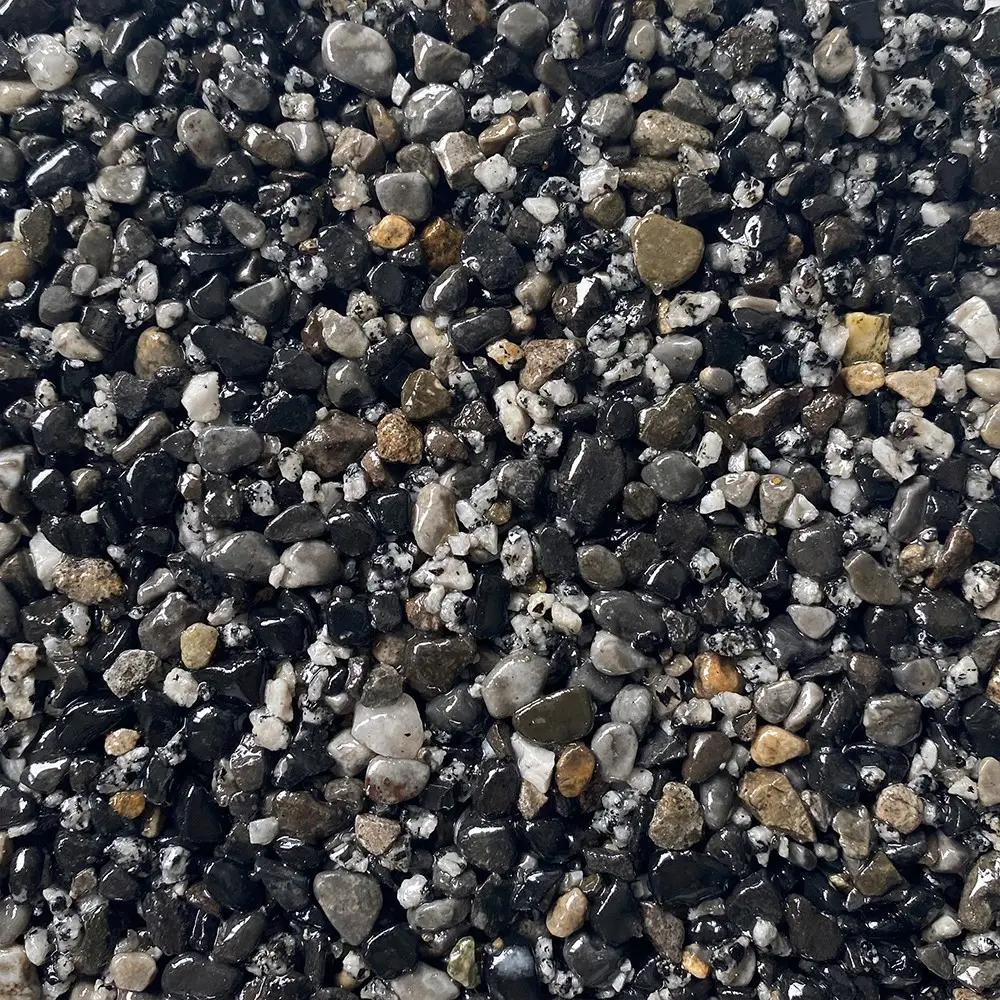
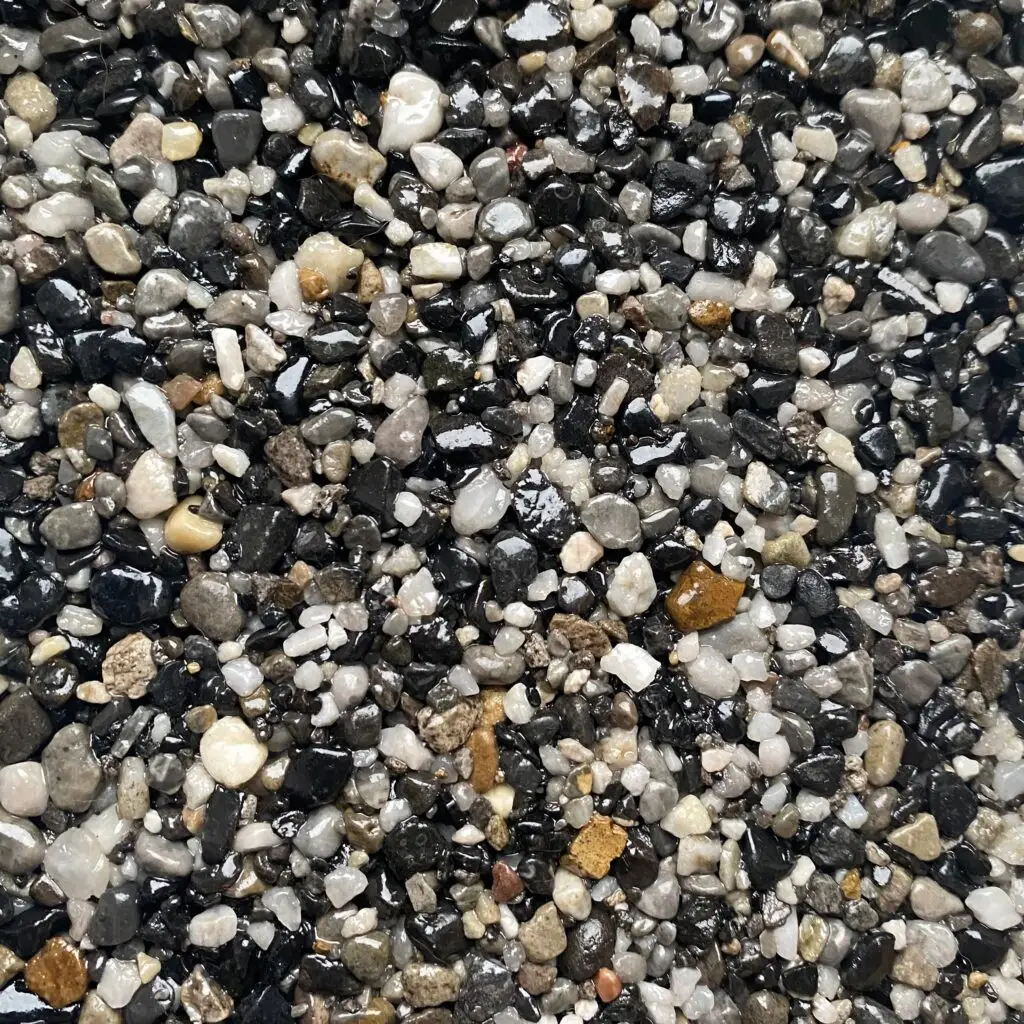
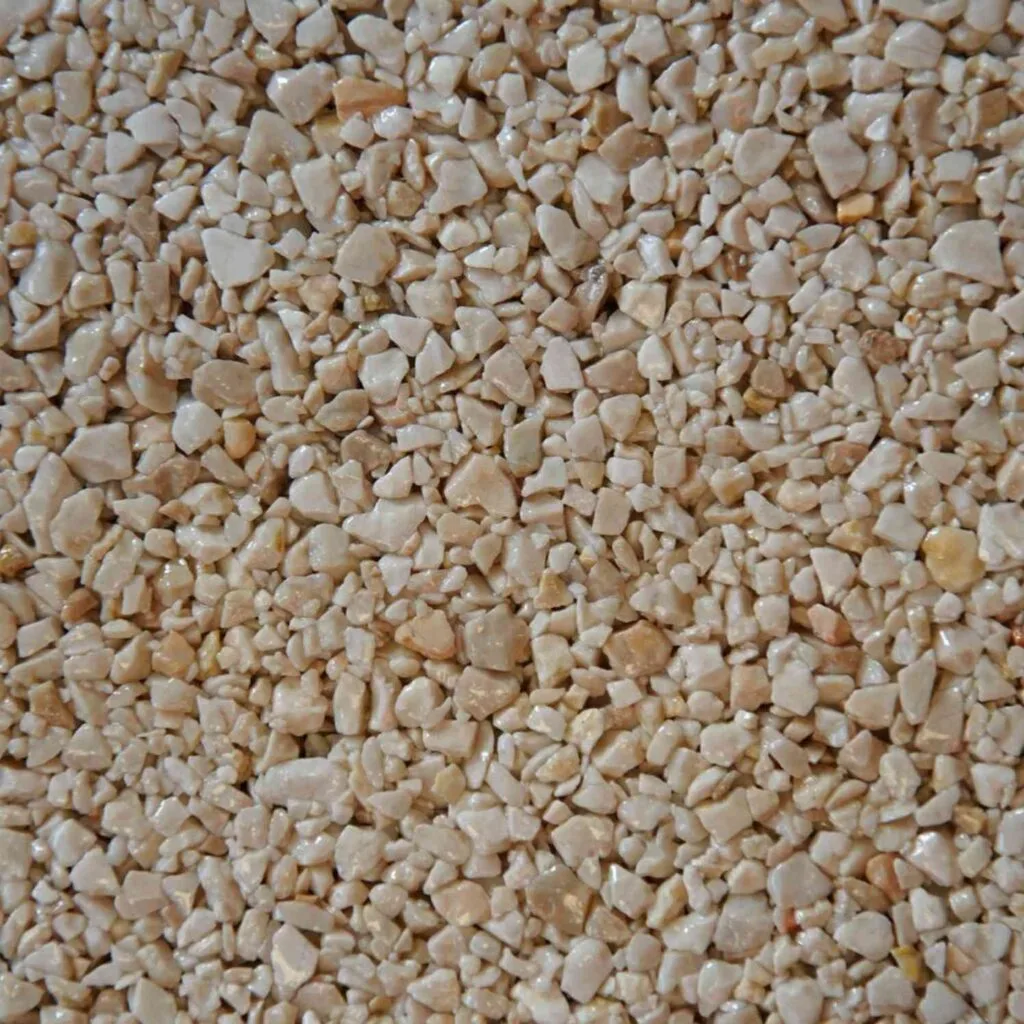
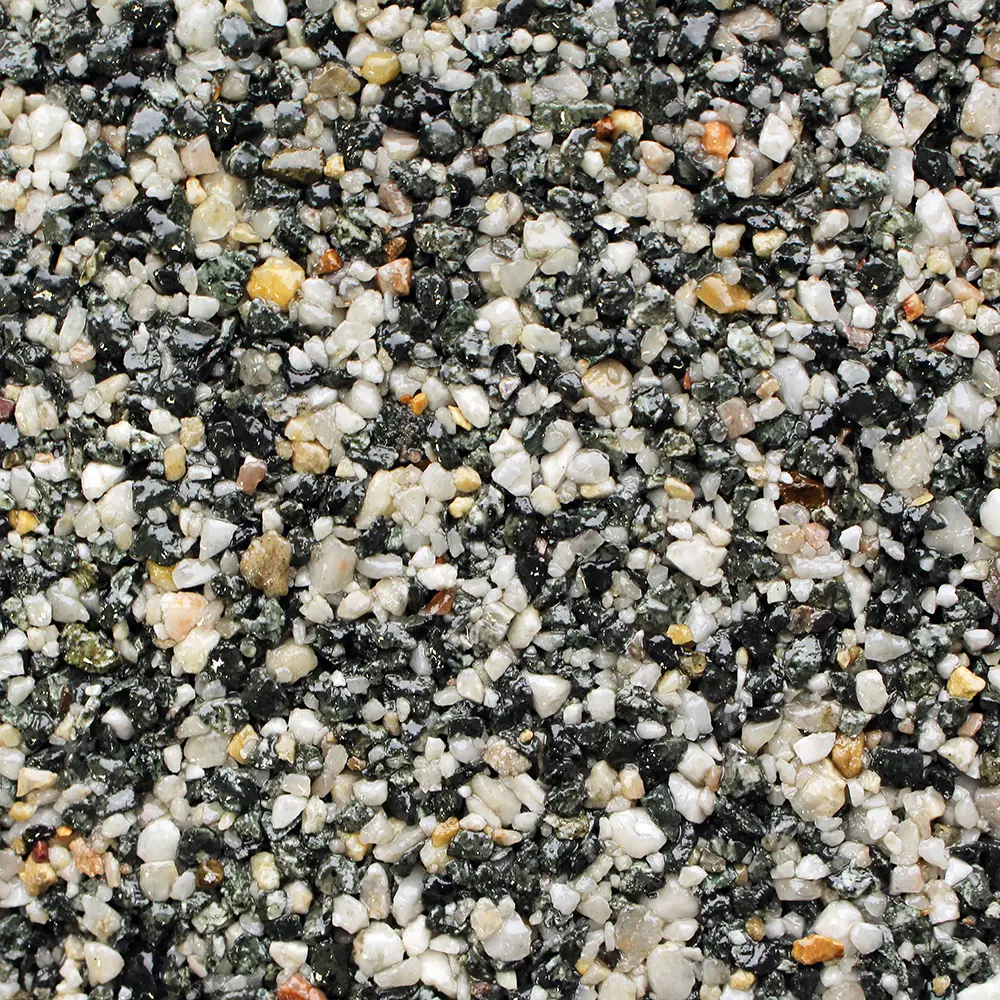

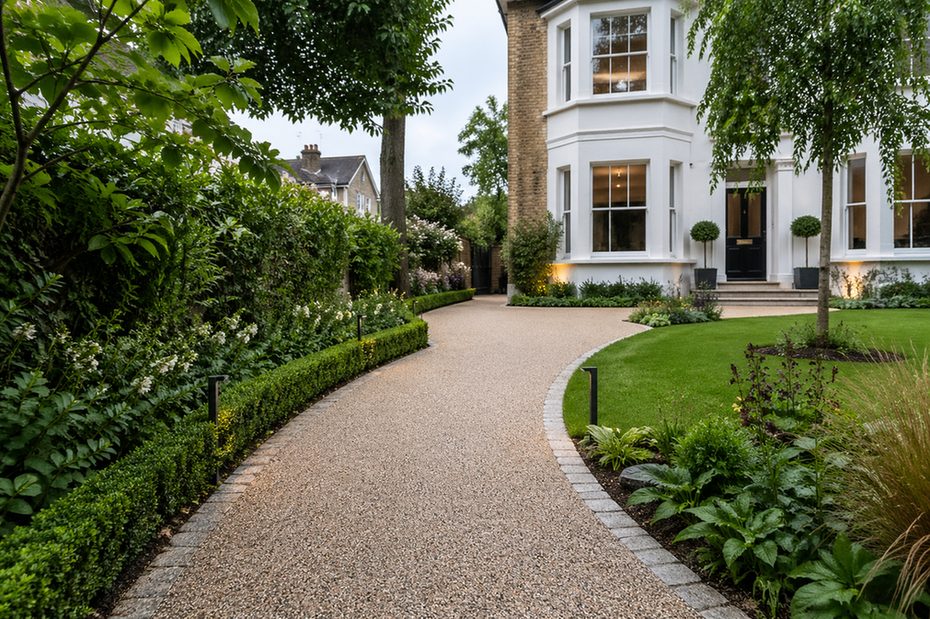
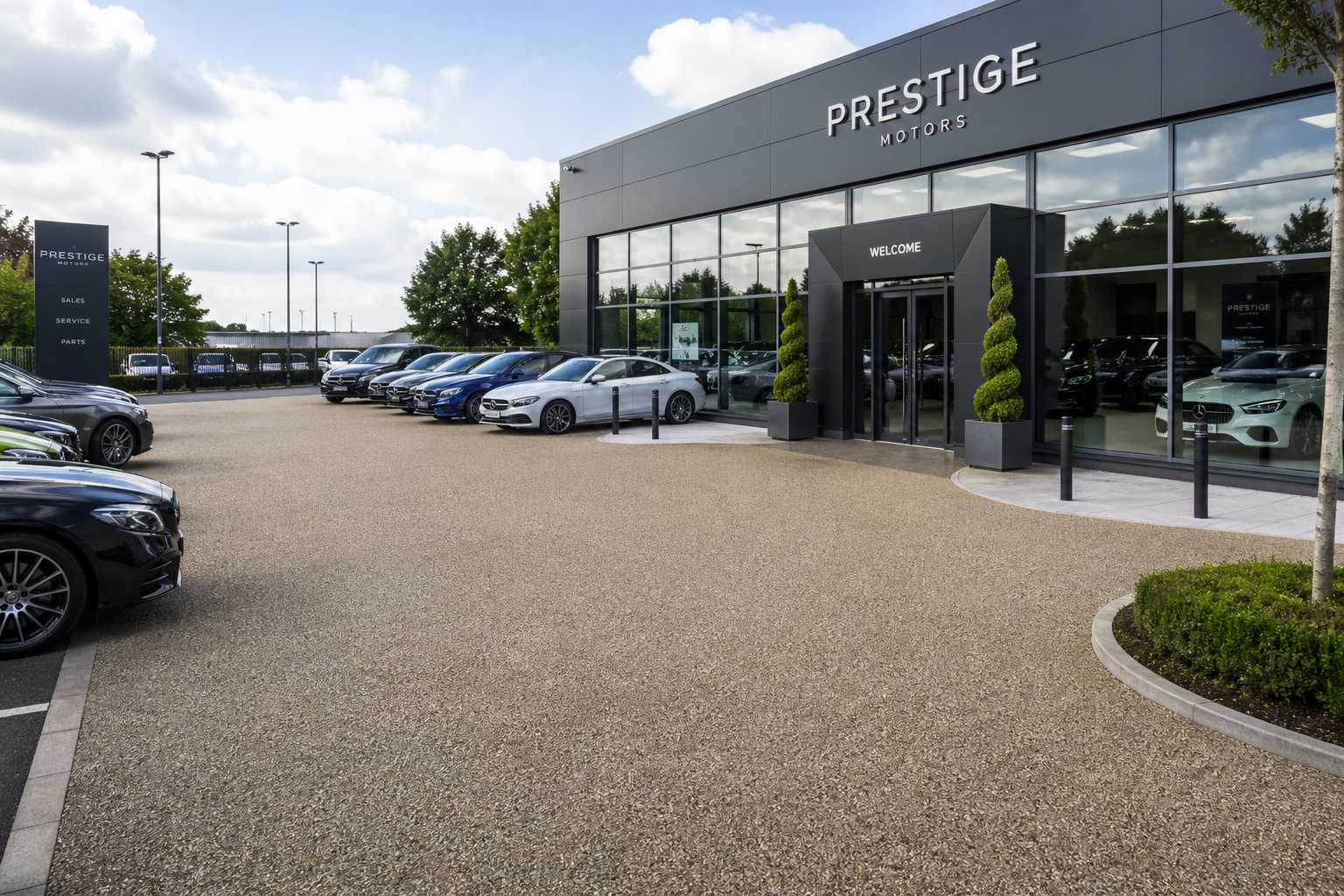
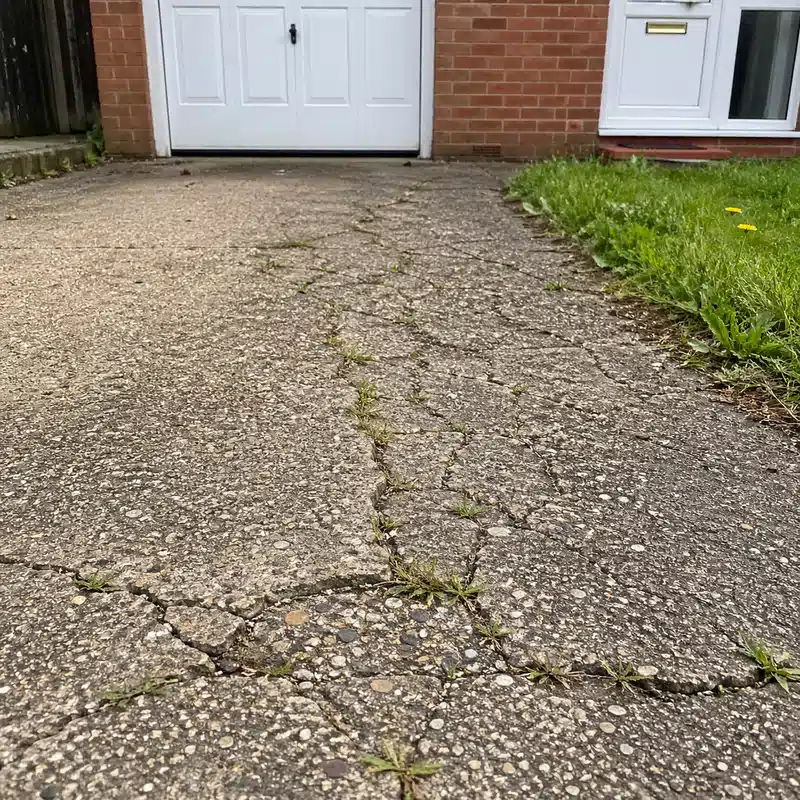
When a resin driveway cracks, sinks or sheds stones, the resin usually gets the blame. It almost never deserves it. Resin bound surfacing is a thin decorative layer, around 15 to 18mm, sitting on top of whatever base it was laid on. If that base moves, cracks or holds water, the surface fails with it. The industry’s dirty secret is that most resin failures were guaranteed before the first batch was ever mixed.
We put this at the top of our homepage for a reason. It is the single most useful thing a homeowner can understand before getting quotes.
The failure modes, and what actually caused them
Cracking. The base cracked, or already had cracks nobody treated. A 16mm decorative layer has no structural strength of its own. It follows the slab. Reflective cracking can take a year or two to appear, long after the installer has been paid, and base movement is the classic exclusion buried in guarantee small print.
Sinking and dips. The sub-base was not compacted properly, or the wrong stone was used. Open grade stone laid and compacted in correct layers does not settle. Rubble tipped in and whacked once does. Water pooling in a dip is the early symptom; the dip growing is the late one.
Loose stones. Two causes. Either the resin to aggregate ratio was stretched to save money, or the surface was laid too thin. Properly mixed and properly laid resin bound holds its stone for years. A surface that sheds gravel in months was under specified, simple as that.
Yellowing and dull patches. Non UV stable resin. It is cheaper, and on a lighter aggregate the yellowing is obvious within a couple of summers. UV stable resin costs more per kilo and is the only thing we use. If a quote does not state UV stable in writing, assume it is not.
Puddles on a “permeable” drive. The resin layer is permeable, but it was laid over an impermeable base with nowhere for water to go. Permeability is a system, not a surface. Water has to pass through the resin, through an open grade sub-base, and into the ground. Skip the middle layer and you have built a very expensive birdbath.
Why this keeps happening
The resin industry is largely unregulated. The materials are available to anyone, the margins attract chancers, and the failures take long enough to appear that a bad installer is two postcodes away before the cracks show. None of that is a reason to avoid resin. It is a reason to interrogate the part of the job you will never see again once it is covered.
A proper installation sequence looks like this:
- Site assessment. Base condition, levels, drainage, access. Before any price is given.
- Honest verdict on overlay vs dig-out. Some bases are fine. Some are not. Pretending a failed base is fine is the original sin of this industry.
- Base works to specification. Correct stone, correct depths, correct compaction. Or crack treatment and priming on a sound existing slab.
- Resin laid at full depth with the correct mix ratio, in suitable weather. Temperature and moisture matter; resin laid onto a damp base in the wrong conditions can cloud or fail to cure properly.
- Clean edges, consistent depth, inspected handover.
Every one of those steps is invisible in the finished photo. All of them decide whether the drive lasts 3 years or 25.
The questions that protect you
Ask any installer these five, in writing:
- What depth will the resin bound layer be laid at? (Want: 15 to 18mm for vehicles)
- Is the resin UV stable? (Want: yes, named product)
- What is your assessment of my existing base, and what will you do to it? (Want: specifics, not “it’ll be fine”)
- What exactly does the guarantee cover, and does it exclude base movement? (Want: honesty)
- Can I see a local job you installed more than two years ago? (Want: an address, not a brochure)
An installer doing the job properly answers all five without flinching. We cover the wider warning signs in our cheap quote red flags guide.
What we do differently, stated plainly
We assess the sub-base before quoting, every time, free of charge. If your existing base is sound, we will tell you, and you save the excavation money. If it is not, we will show you why, because laying our surface on a failing base would turn into our failure within two winters and we are not interested in that phone call.
Book a free site visit and get a written, itemised quote within 48 hours. Or send driveway photos over WhatsApp for a quick first opinion on what your base looks like. Call now for a quote.
Related guides: Resin driveway cost in London · Can you lay resin over concrete? · Resin bound driveways