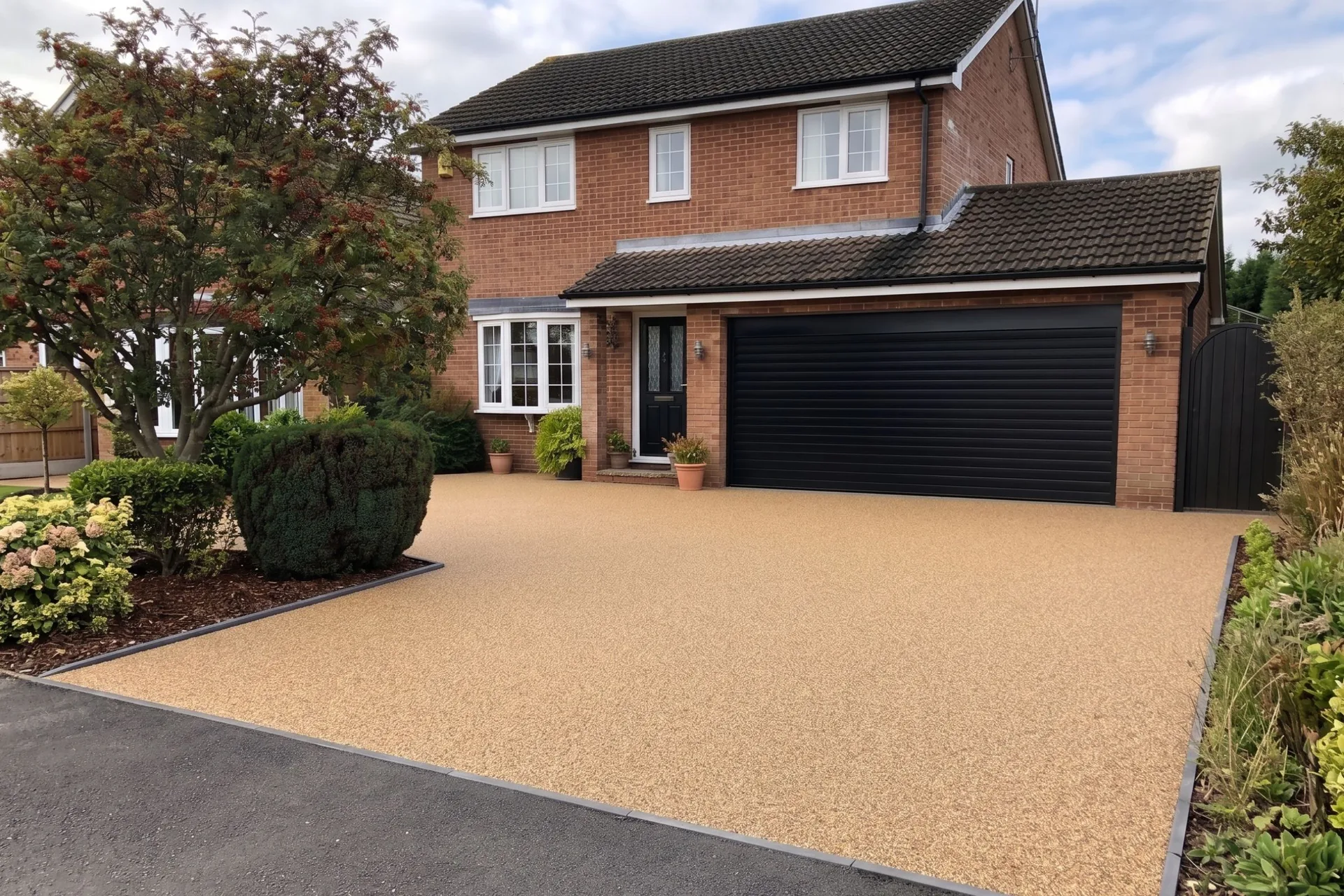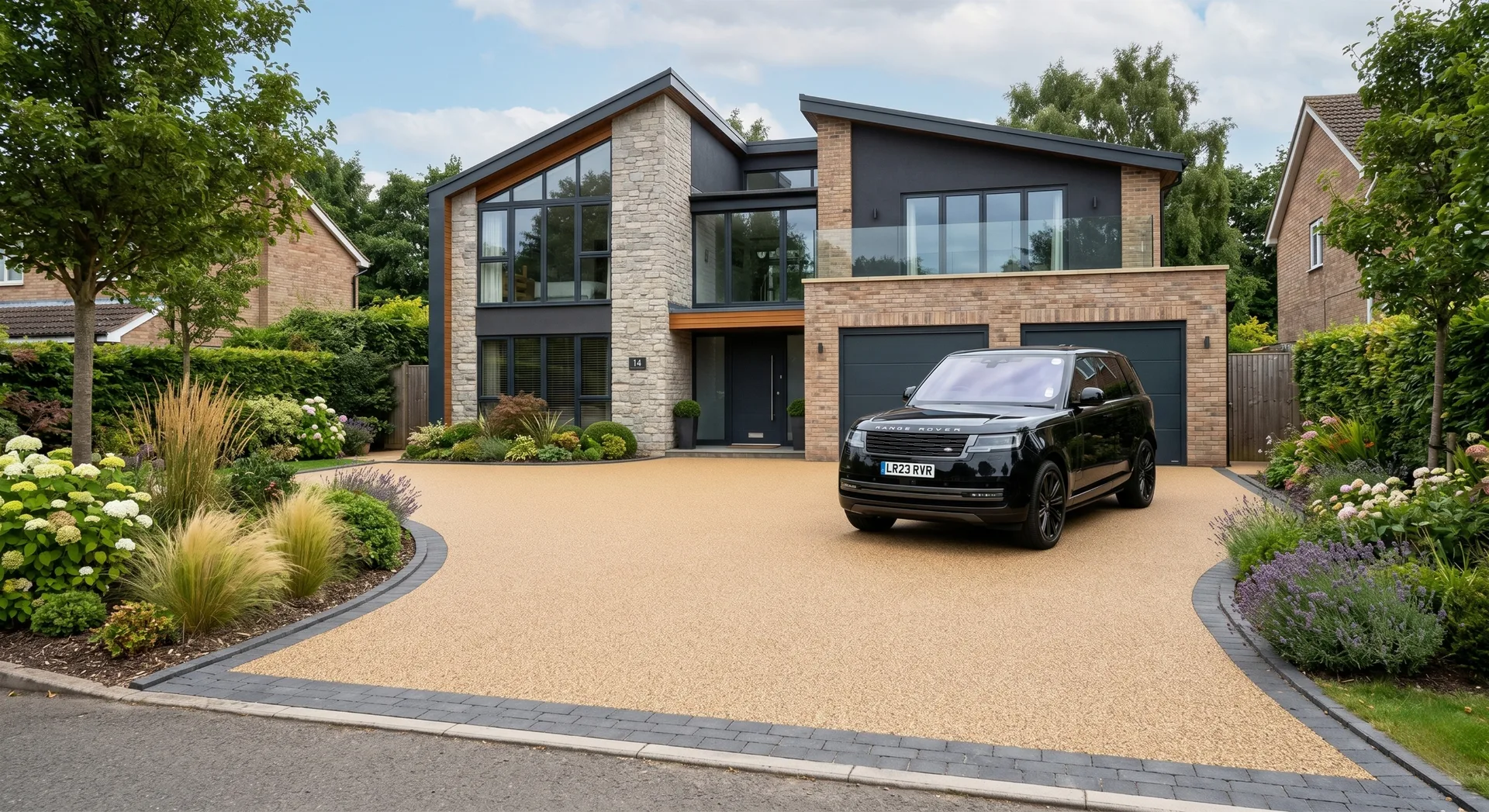
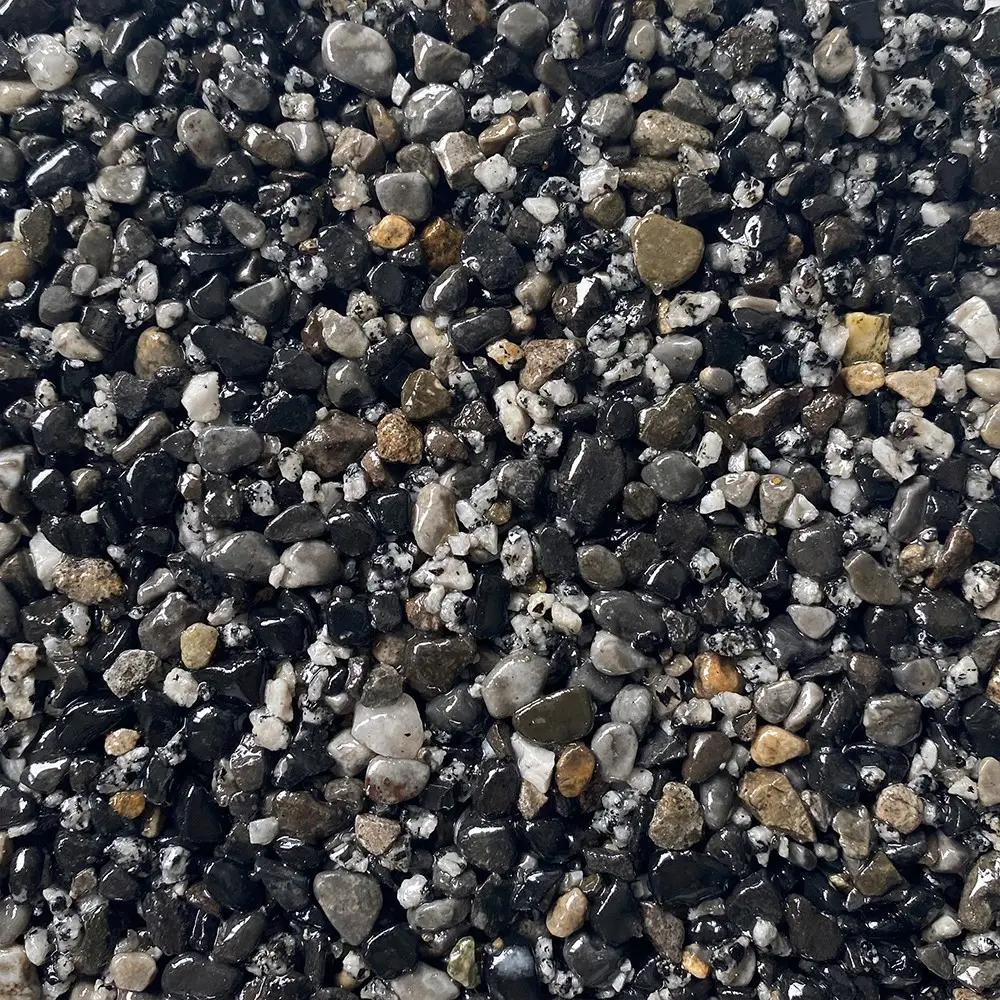
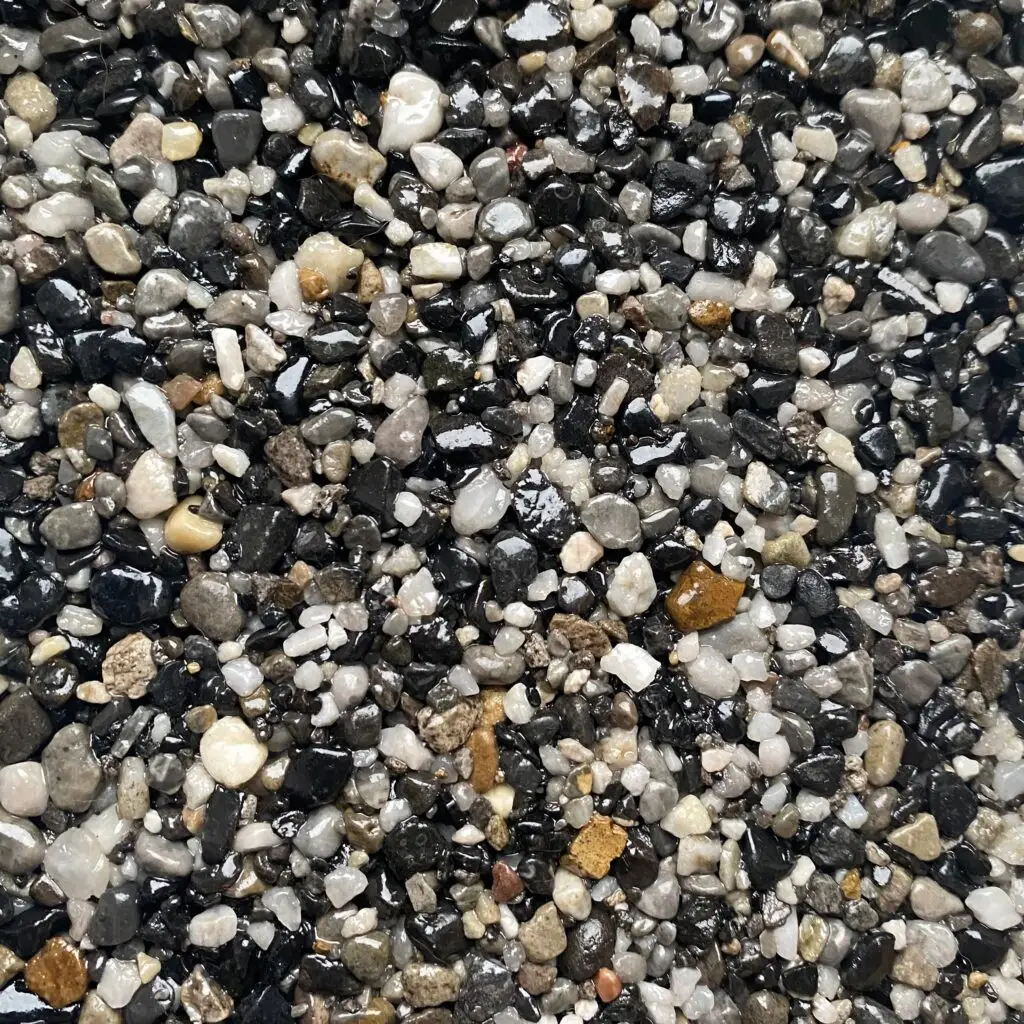
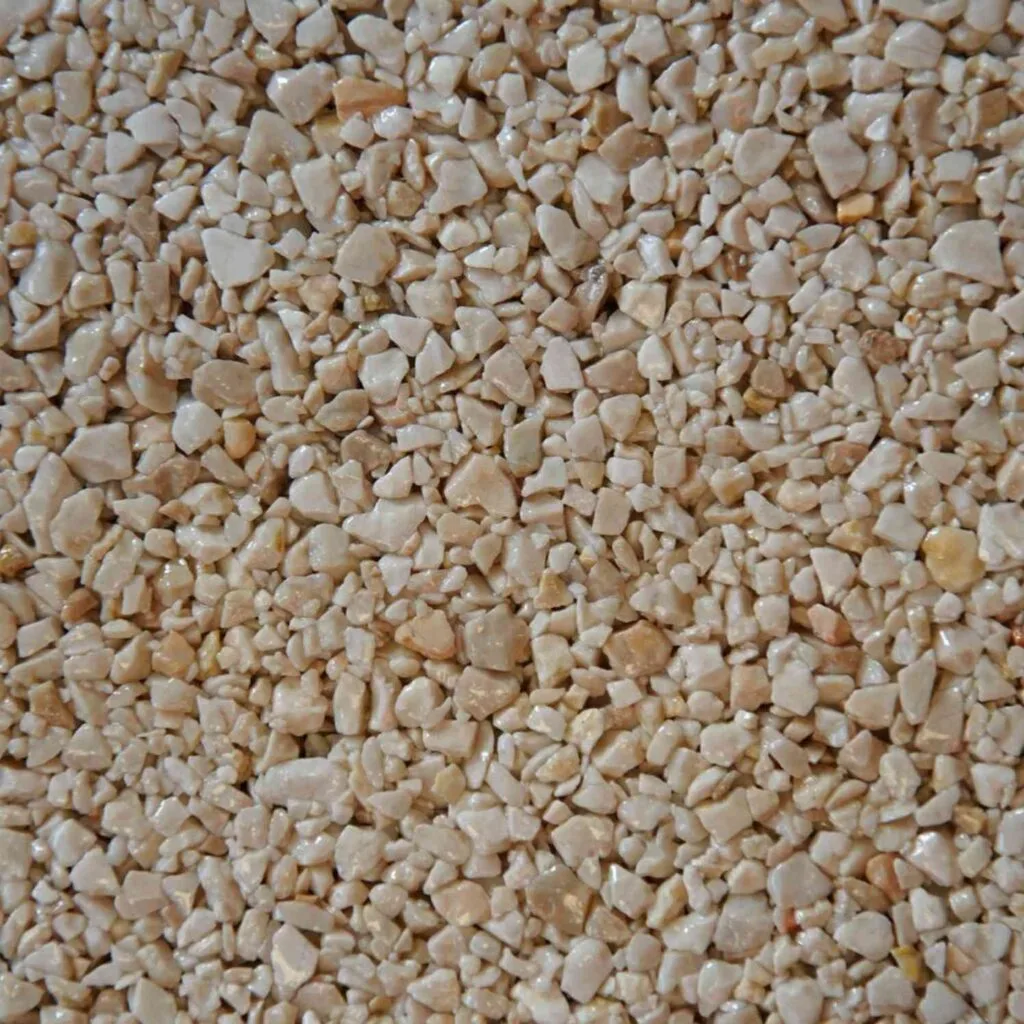
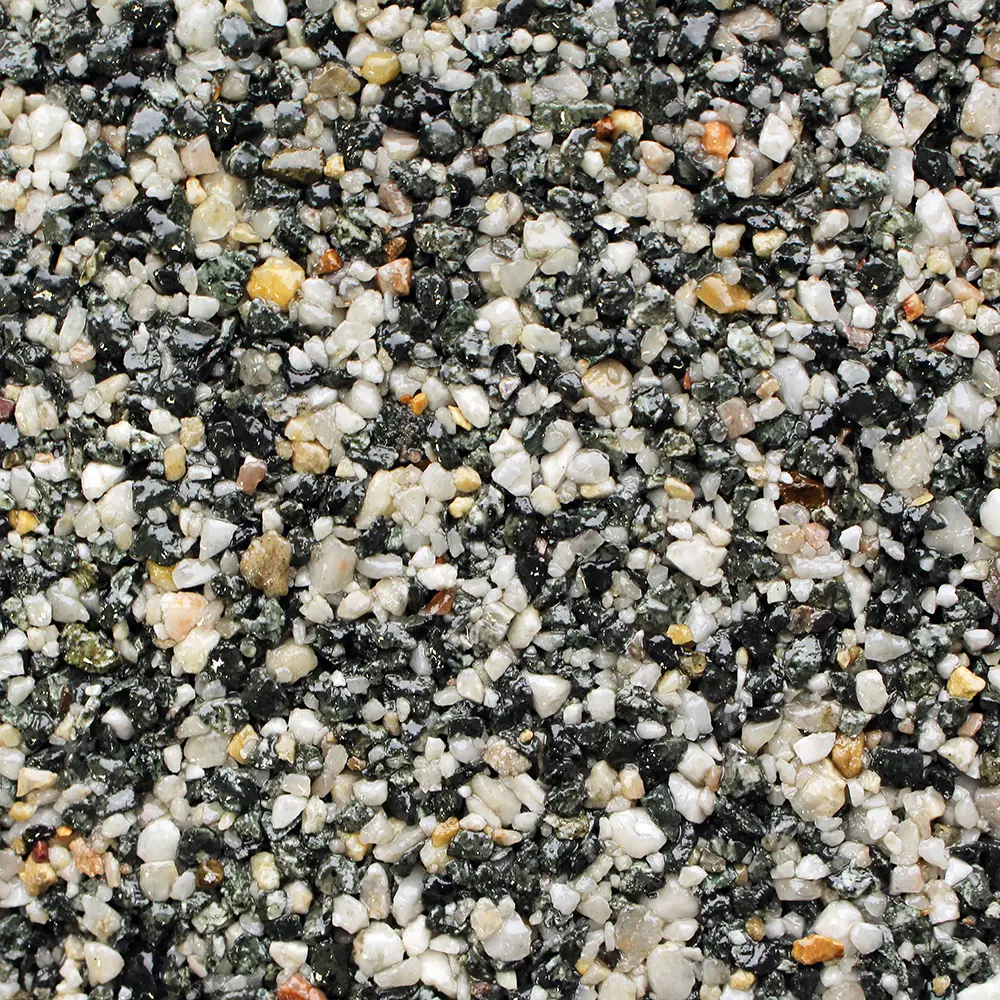
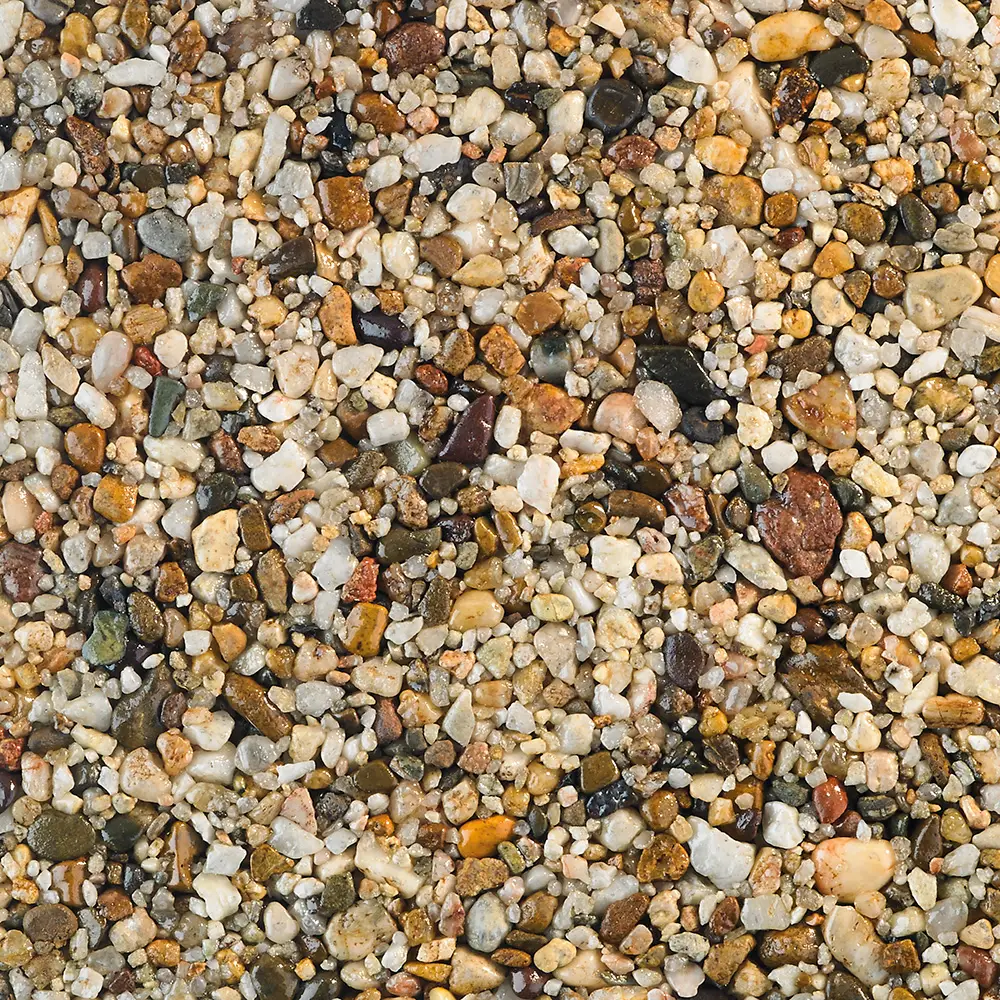
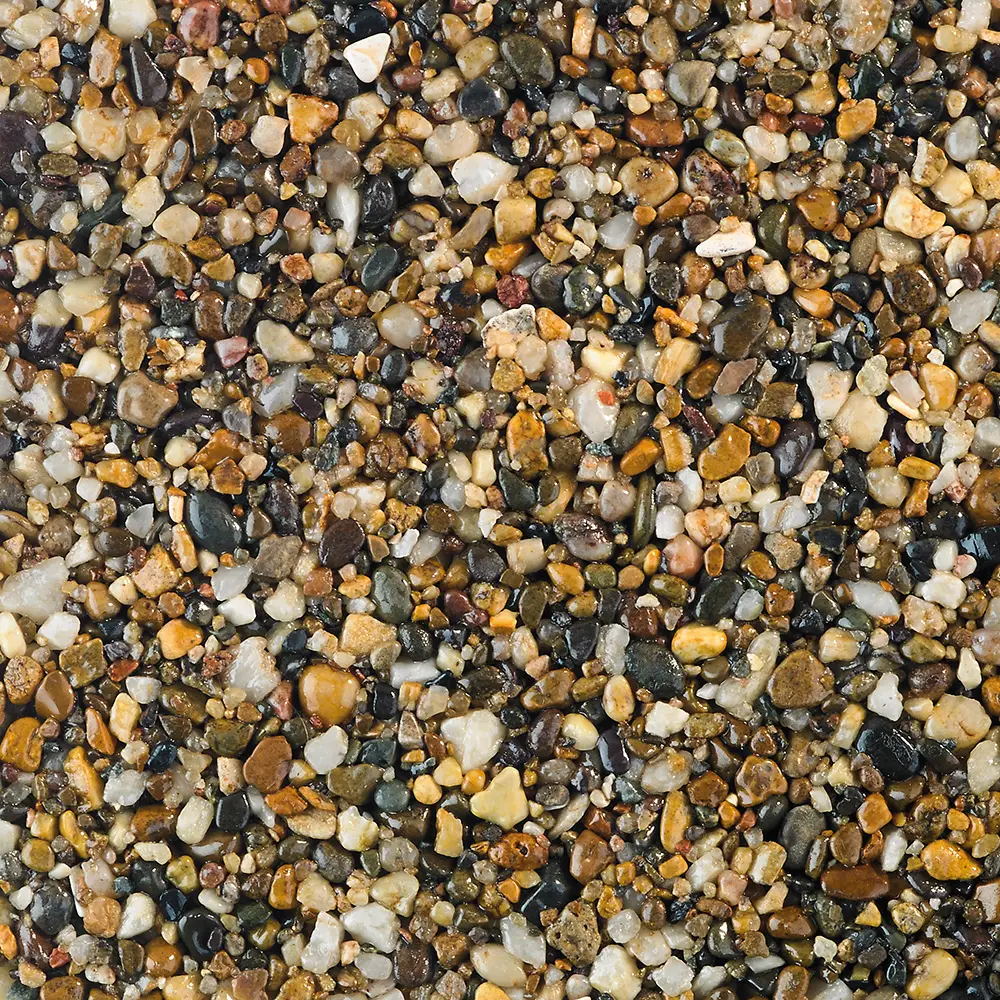
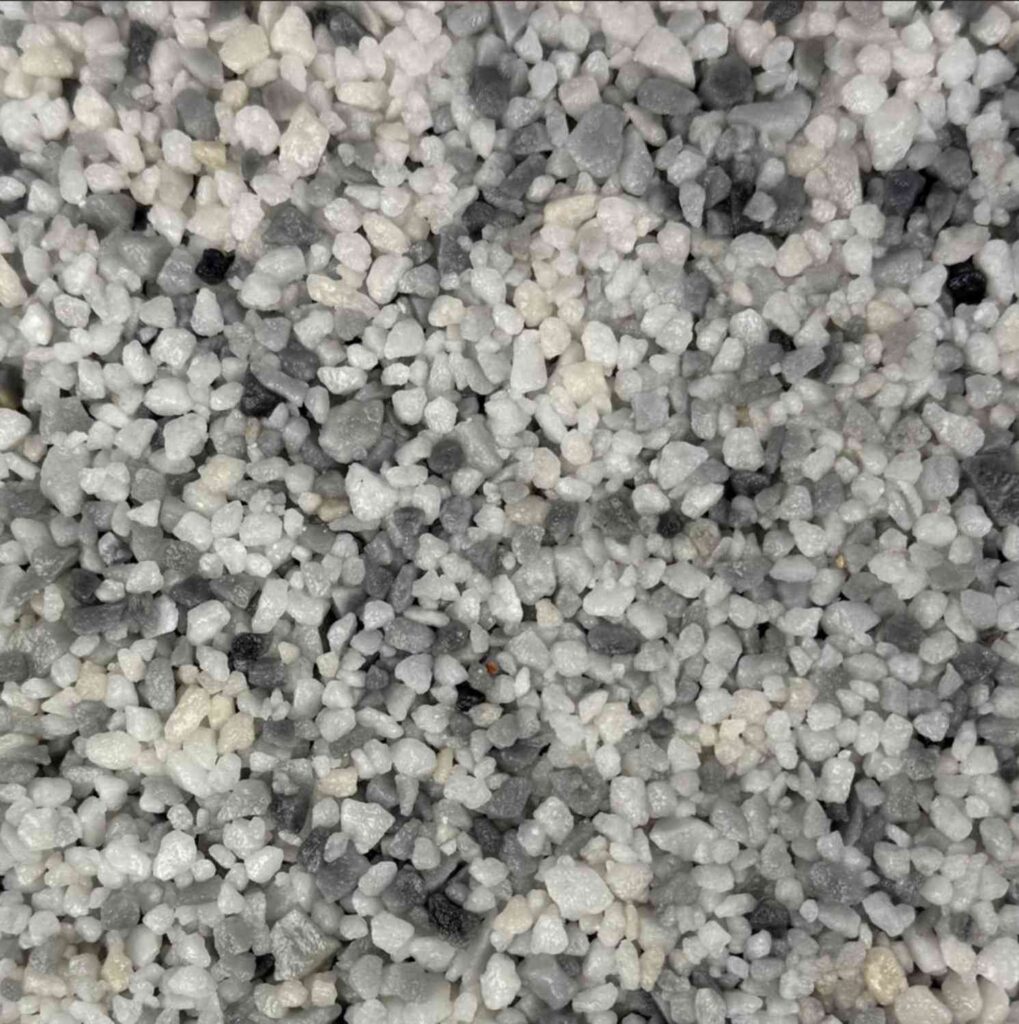
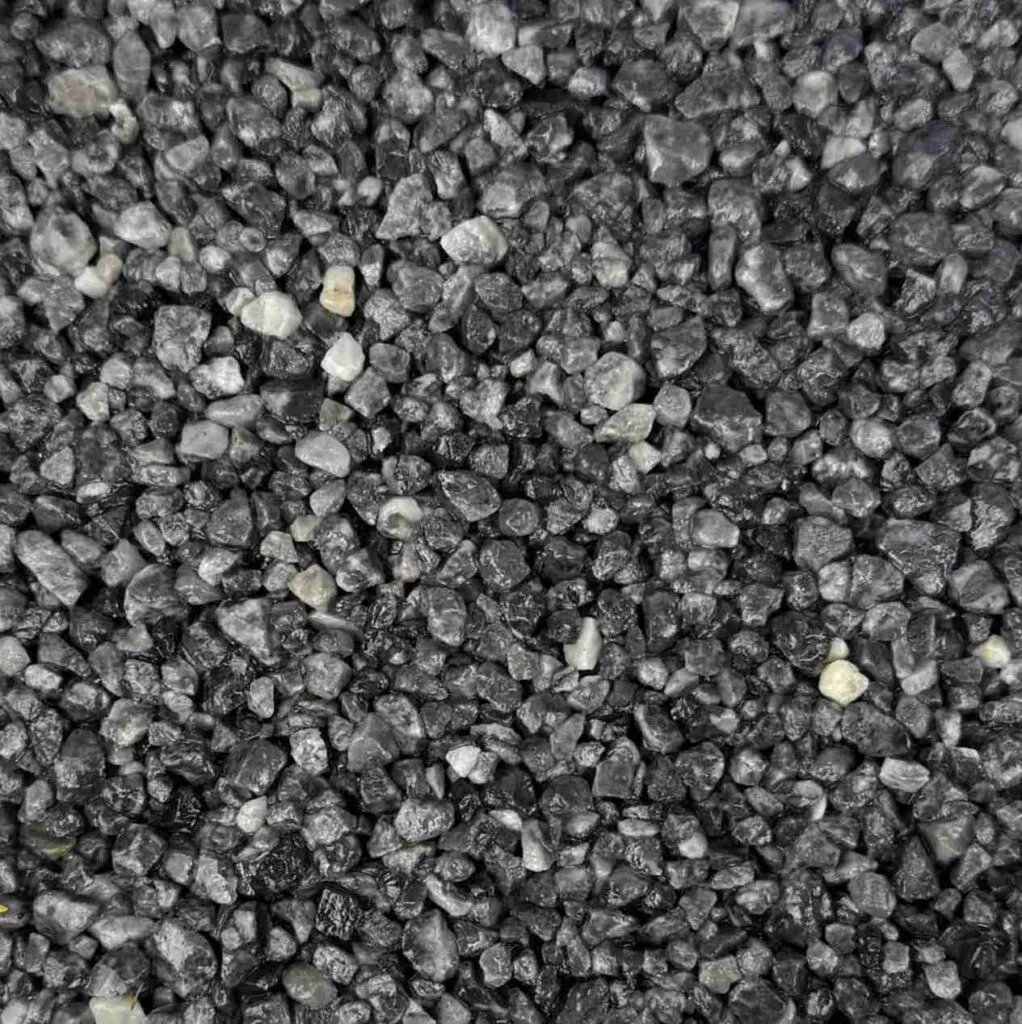
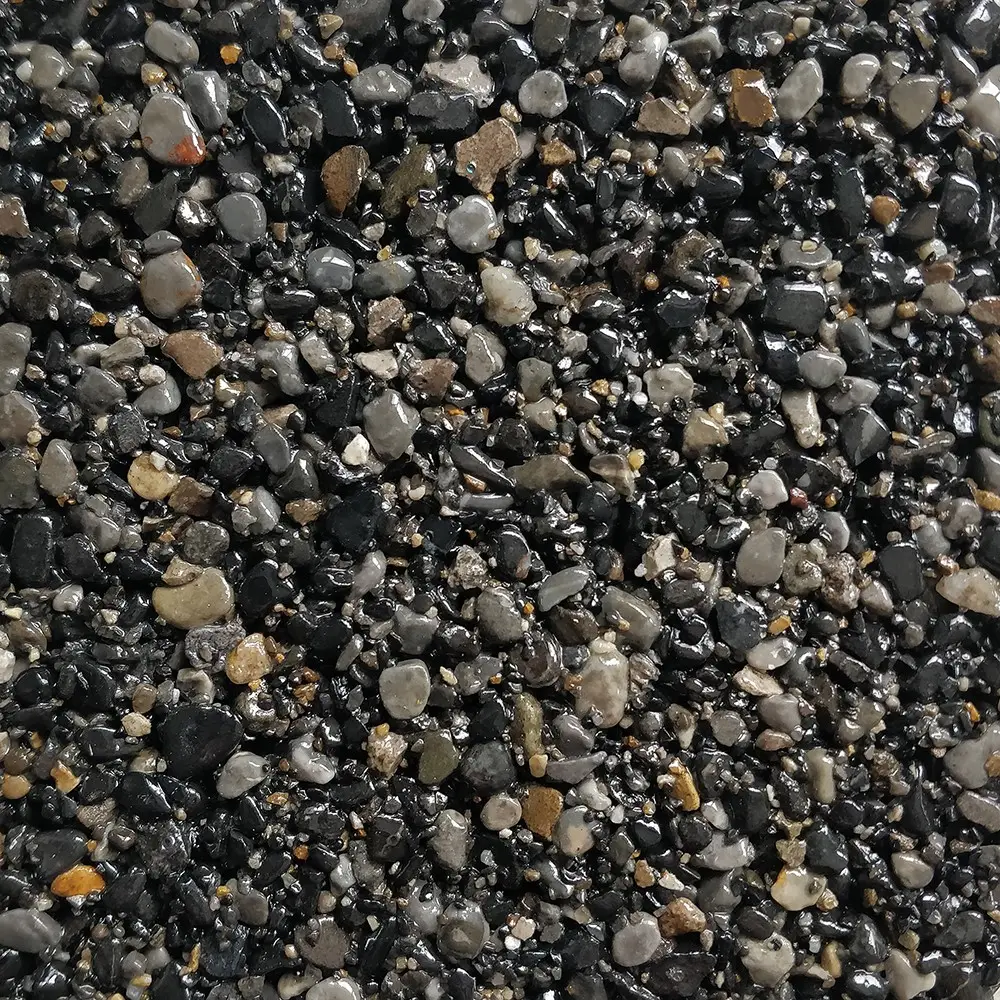
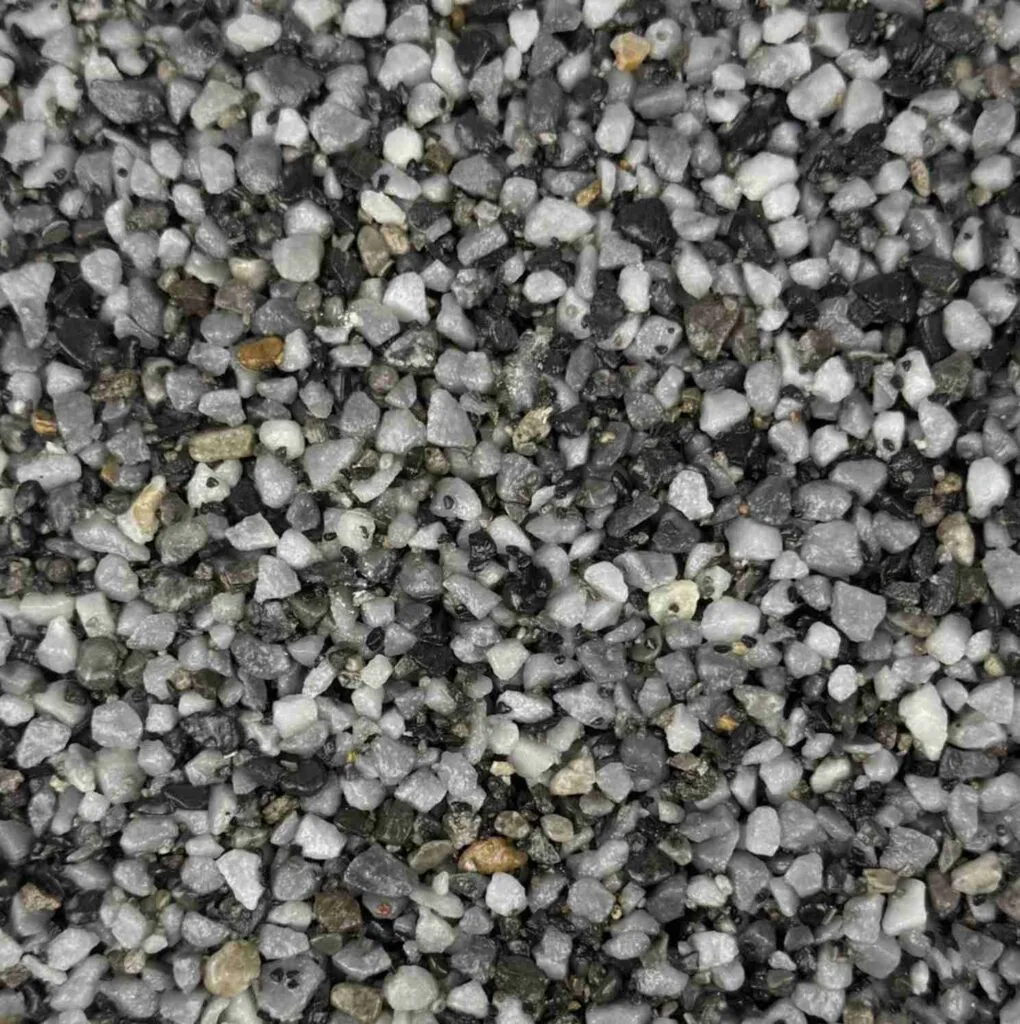
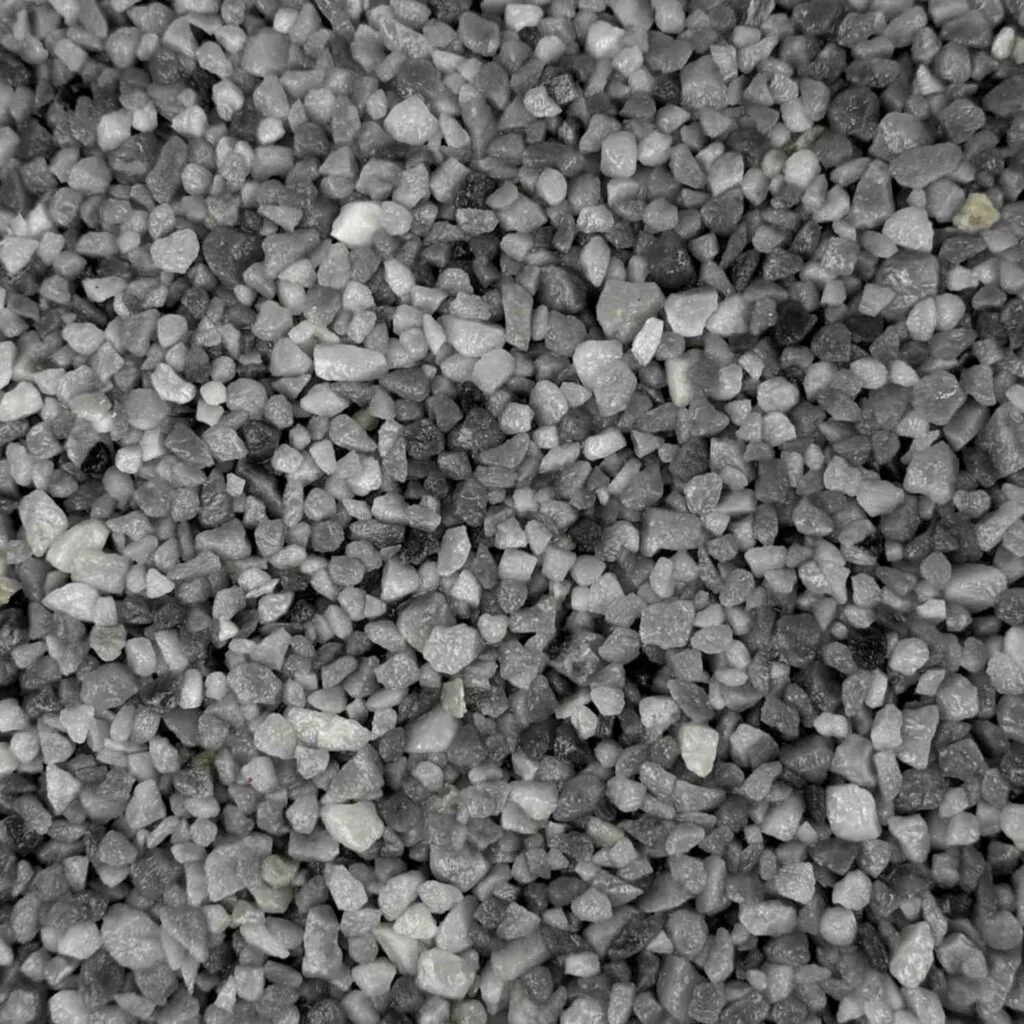
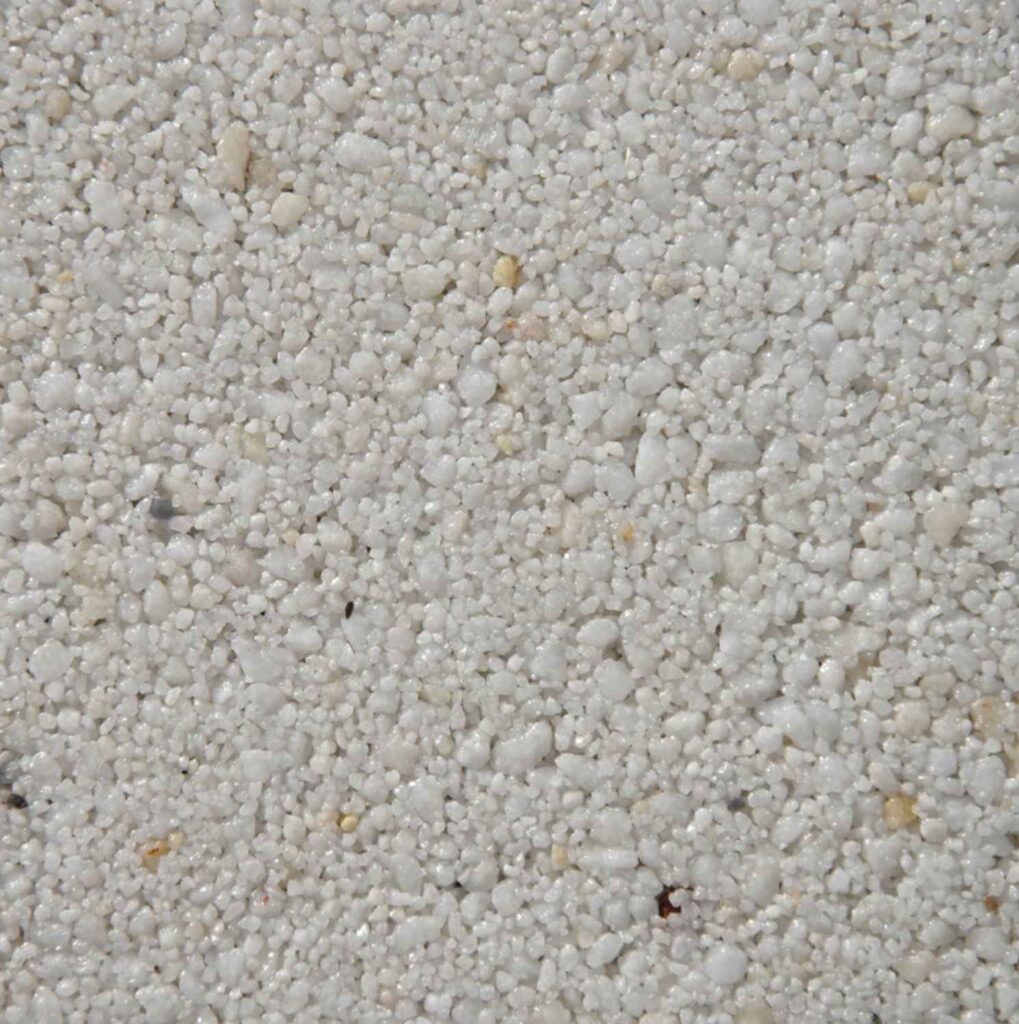
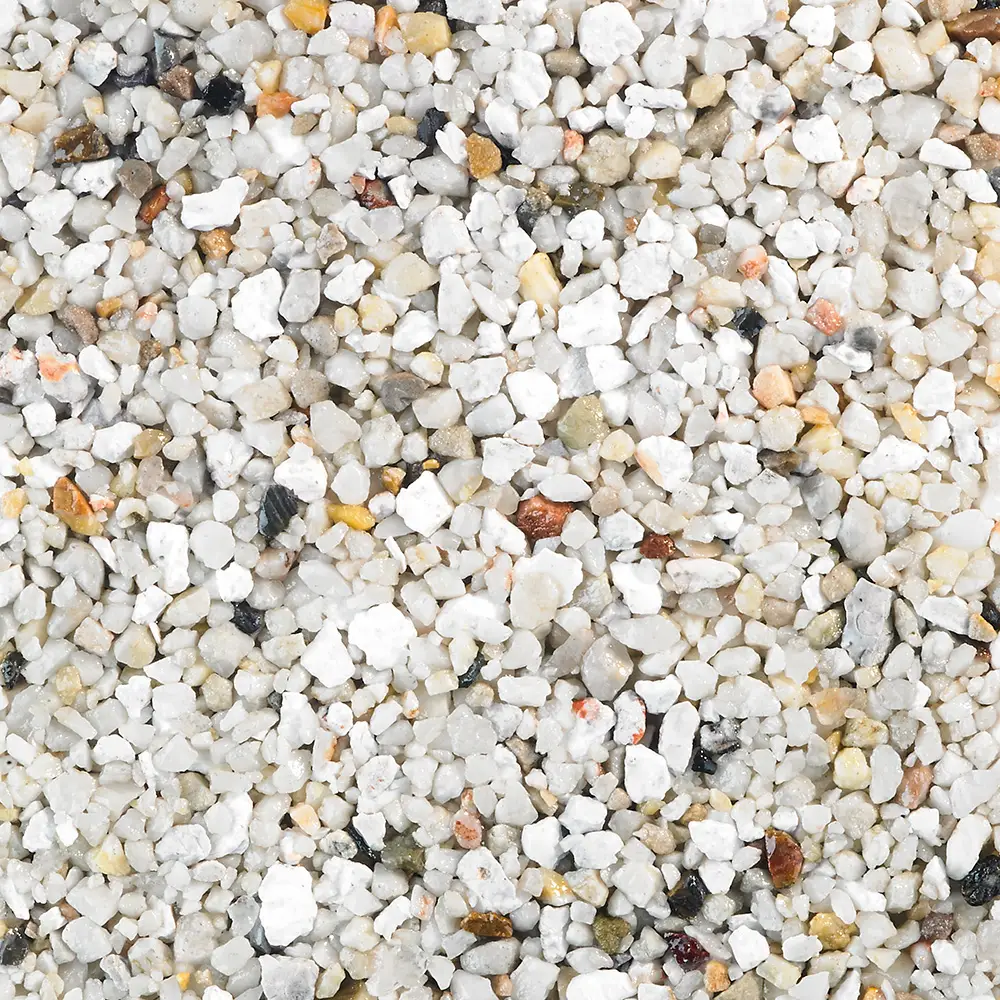
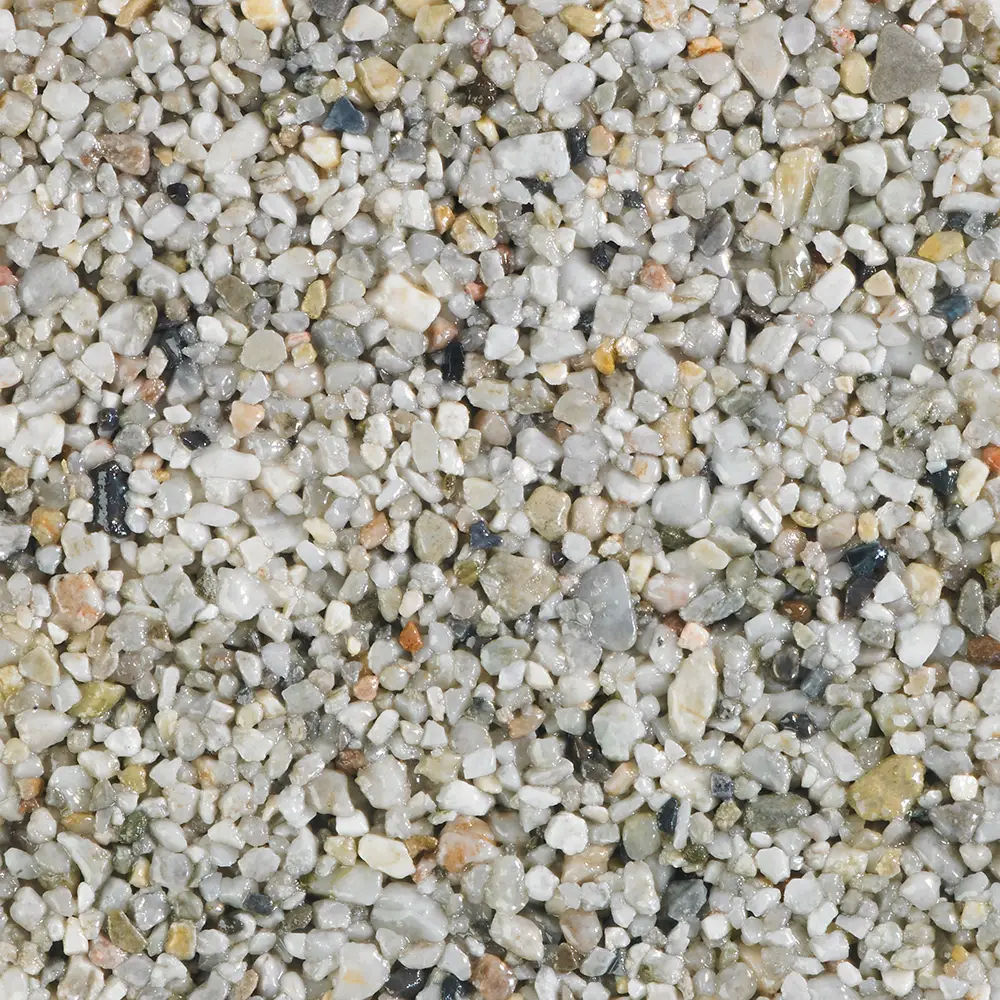

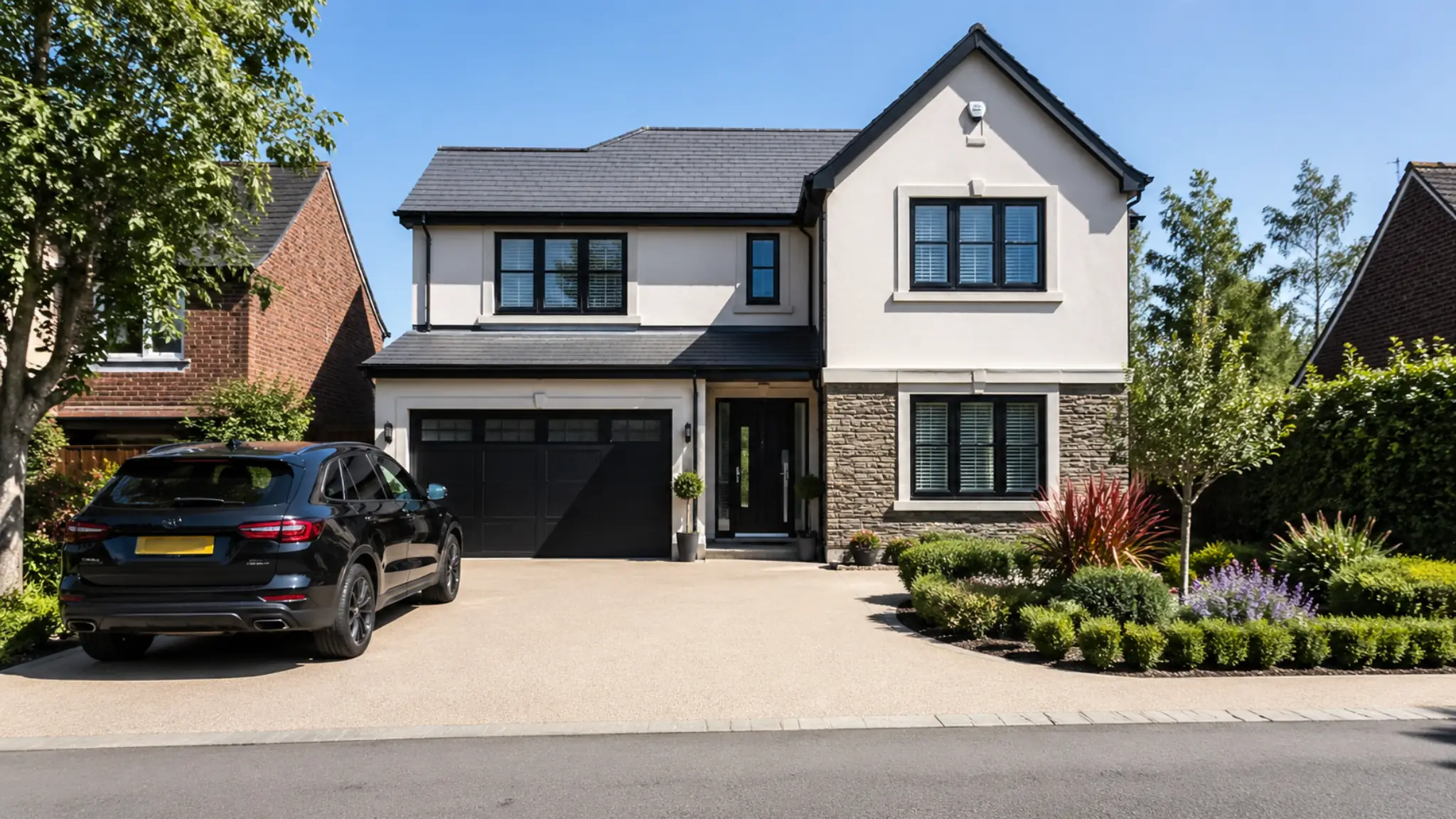
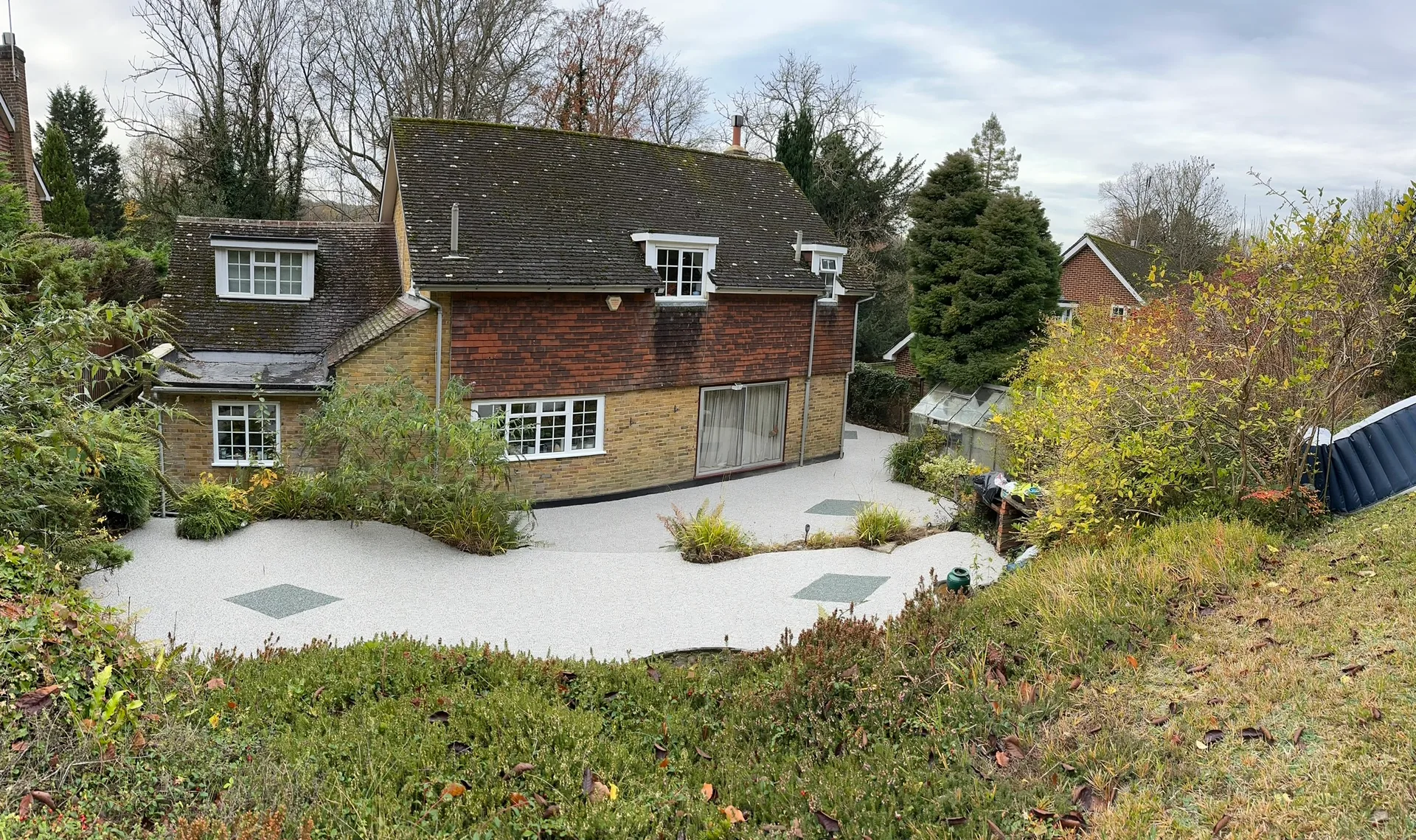
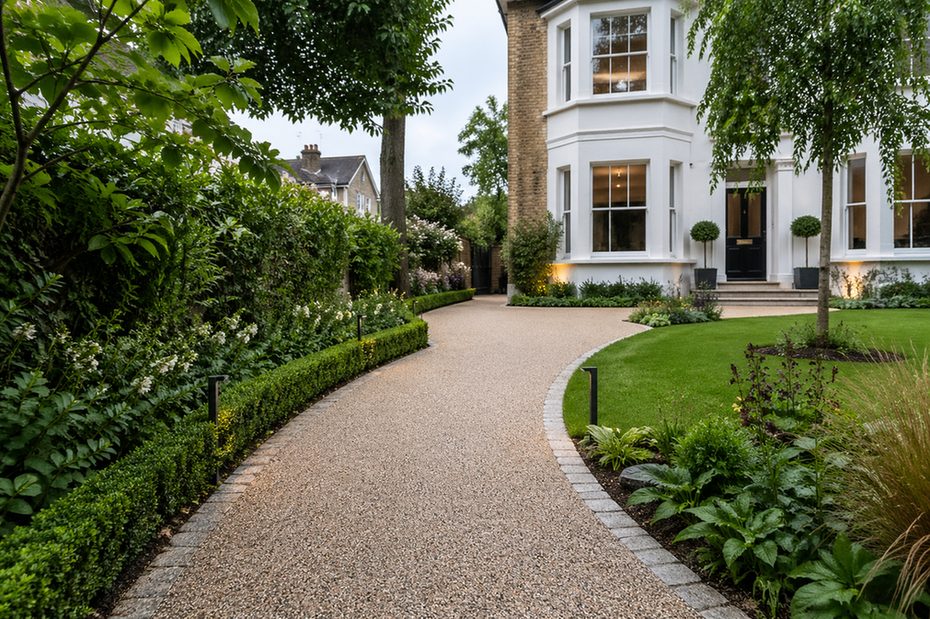
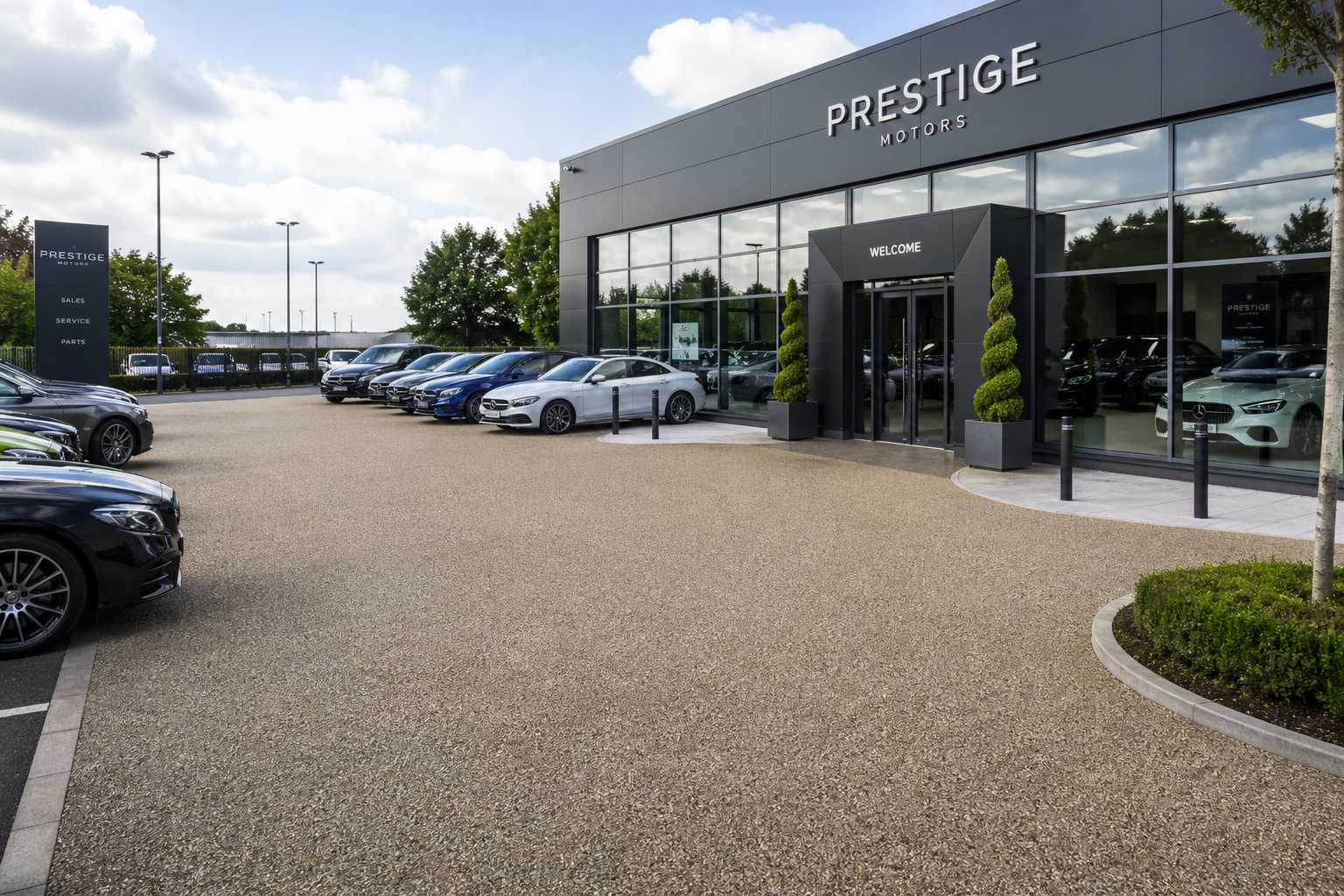
Four surfaces cover almost every London driveway decision: resin bound, block paving, tarmac and gravel. On installed price they rank gravel, tarmac, resin, block paving, cheapest first. On whole-life cost over 15 years the order roughly reverses, because tarmac gets resurfaced, gravel gets endlessly topped up, and block paving demands regular weekends of maintenance. Resin bound is rarely the cheapest on day one and usually the cheapest to own.
We install resin, so read this with that in mind. We have also been straight below about the cases where resin is the wrong call, because a surface mis-sold to the wrong property becomes our bad review.
The full comparison
| Feature | Resin bound | Block paving | Tarmac | Gravel |
|---|---|---|---|---|
| London installed cost per m2 | £75 to £130 | £90 to £150 | £60 to £95 | £35 to £60 |
| Realistic lifespan | 15 to 25 years | 20+ with upkeep | 8 to 12 years | Indefinite, with constant top-ups |
| Annual maintenance | Hose down, occasional sweep | Re-sand joints, weed, jet wash | Crack repair, reseal | Rake, top up, weed |
| Weeds | None through the surface | Common in joints | In cracks as it ages | Constant |
| Drainage | Fully permeable system | Slow, through joints | Impermeable | Permeable |
| Planning permission (front garden over 5m2) | Generally exempt | Often needs drainage provision | Usually required | Generally exempt |
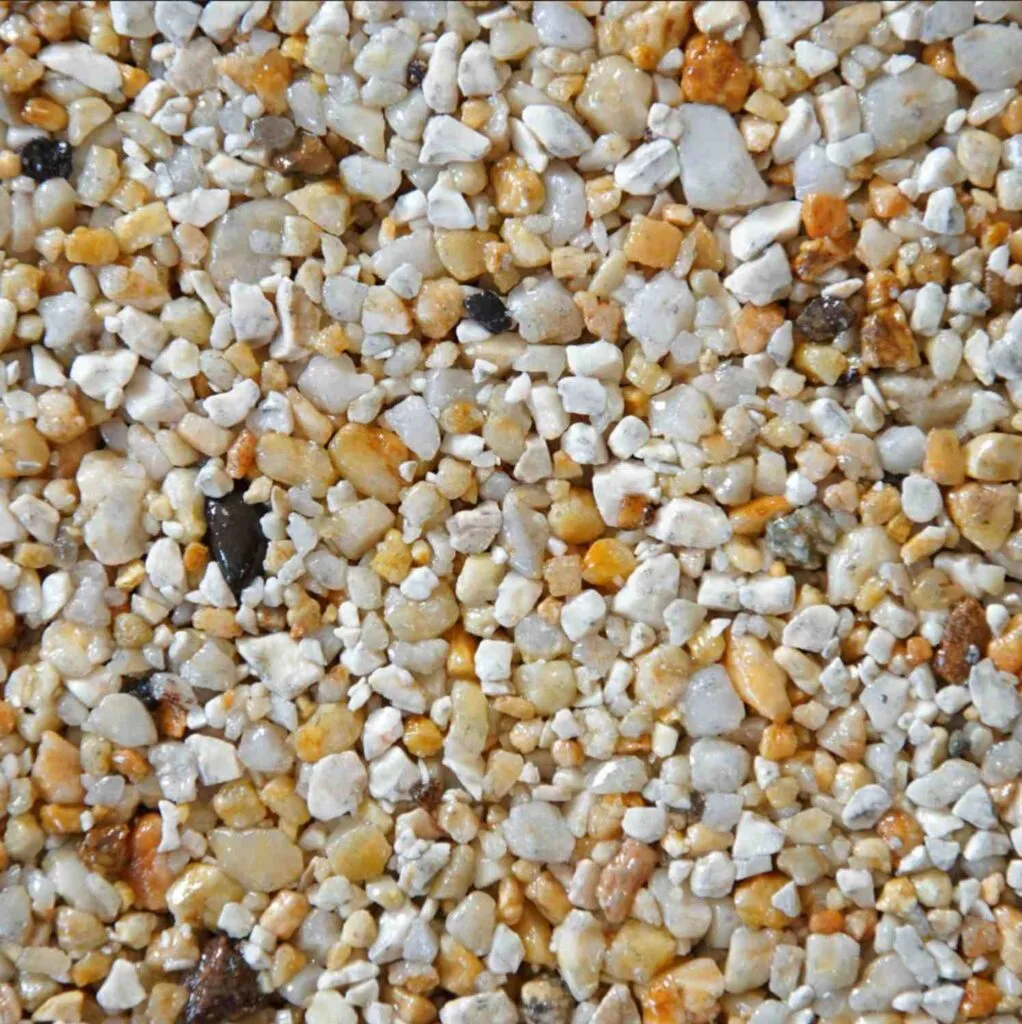
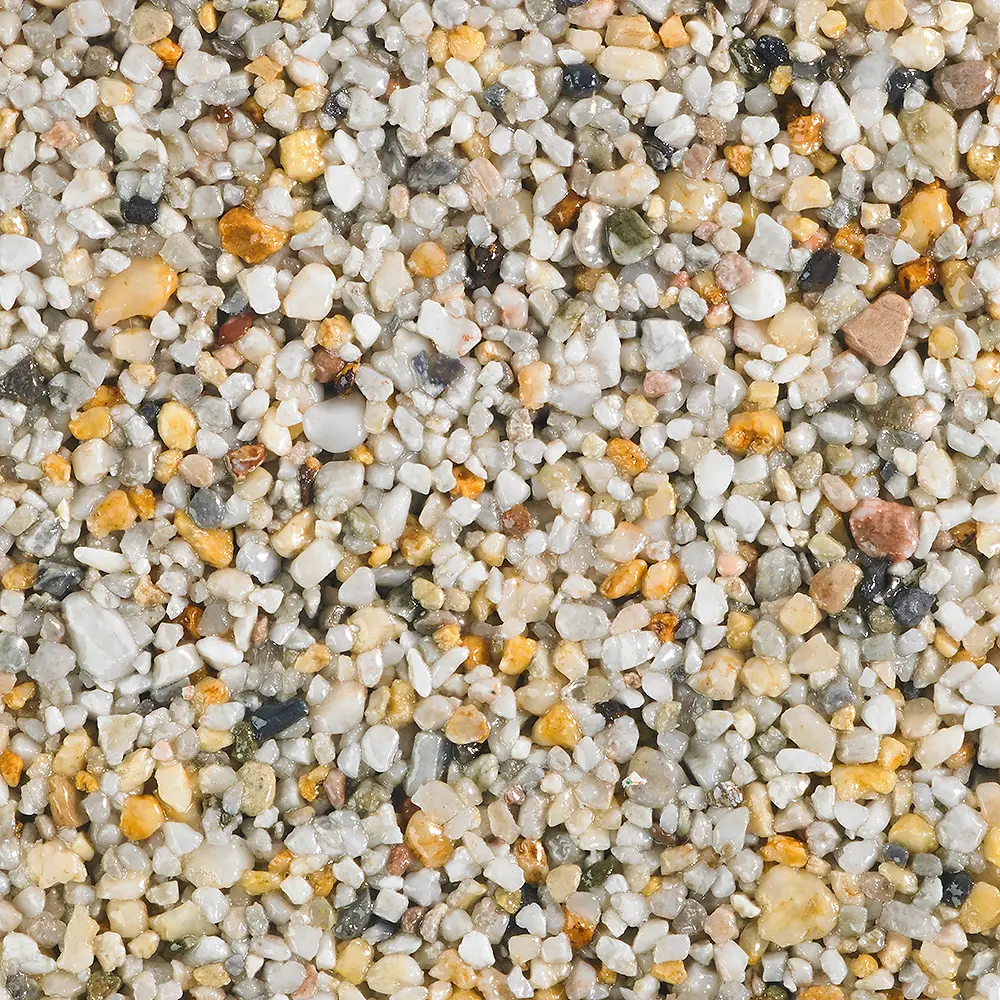
| Finish | Smooth, seamless, 59 colour blends | Traditional, patterned | Plain black | Rustic, loose |
| Trip and slip | Smooth with anti-slip additive | Sinking blocks create lips | Potholes over time | Loose underfoot |
| Kerb appeal on a London street | High | High on period homes | Low | Depends on upkeep |
Costs reflect London labour and access; the national picture sits 10 to 20 percent lower. Full price bands by driveway size are in our London cost guide.
Resin bound: the case for and against
For: permeable so no planning headaches on most front gardens, no weeds through the surface, no loose stone, a seamless finish in any of 59 natural aggregate blends, and maintenance that amounts to a hose.
Against: quality depends almost entirely on the installer and the base underneath, the industry is unregulated, and a cheap job fails in ways you only discover two winters later. We wrote why resin driveways fail and the bound vs bonded difference precisely because the product is only as good as the installation.
When resin is the wrong call: a base in poor condition with no budget to fix it, a surface that takes regular heavy goods vehicles, or a listed frontage where the conservation officer expects traditional materials.
Block paving: the case for and against
For: the traditional look suits Victorian and Edwardian streets, individual blocks can be lifted and replaced after utility work, and a well laid block drive on a proper base genuinely lasts.
Against: the joints. Sand washes out, weeds move in, ants mine the bedding, and blocks sink where cars turn. Most block drives look tired by year eight not because the blocks failed but because nobody re-sanded and re-sealed on schedule. Jet washing, the standard fix, blasts out more joint sand and accelerates the cycle.
Tightly jointed block paving also counts as impermeable for planning purposes, so a new front drive over 5m2 needs drainage provision or permission.
Tarmac: the case for and against
For: the cheapest hard surface, quick to lay, fine for plain functional parking.
Against: it is the shortest-lived option here, it softens in summer heat, edges crumble, and being impermeable it usually triggers planning requirements on front gardens. Black tarmac in front of a London period home also does the kerb appeal no favours, which matters if a sale is anywhere on the horizon. As a 10 year holding decision it is rational. As a 25 year surface it is two tarmac drives.
Gravel: the case for and against
For: cheapest by far, permeable, instantly redone, and the crunch is a free security feature.
Against: it migrates. Onto the pavement, into the lawn, up the car’s paintwork, and thin patches appear wherever tyres turn. Weeds need constant attention and a membrane only slows them. Gravel suits large rural frontages with low traffic. On a compact London drive where every metre gets driven on daily, the maintenance never stops.
The 15 year cost view
Take a typical 50m2 two car London drive:
| Install | Likely spend over 15 years | Total | |
|---|---|---|---|
| Resin bound | £4,500 to £6,000 | Minimal | £4,500 to £6,500 |
| Block paving | £5,500 to £7,500 | Re-sanding, sealing, partial relays: £800 to £2,000 | £6,300 to £9,500 |
| Tarmac | £3,500 to £4,800 | One full resurface plus repairs: £3,000 to £4,500 | £6,500 to £9,300 |
| Gravel | £2,000 to £3,000 | Top-ups, membrane, weed control: £1,200 to £2,500 | £3,200 to £5,500 |
Gravel stays cheapest if you can live with it. Among the hard surfaces, resin’s day-one premium over tarmac disappears the day the tarmac needs resurfacing.
How to decide in one minute
- Want the cheapest possible hard surface for under 10 years: tarmac.
- Large frontage, low traffic, relaxed about upkeep: gravel.
- Period property, love the traditional look, happy to maintain joints: block paving.
- Want a surface you stop thinking about for 15 to 25 years, with drainage and planning handled by the material itself: resin bound.
If you are weighing resin against one specific alternative, we will price both routes honestly at a free site visit, including telling you if your existing base makes one of them the obviously better deal. Written, itemised quote within 48 hours. Call now for a quote, or get an instant guide price below.
Related guides: Resin driveway cost in London · Resin bound vs resin bonded · Resin bound driveways