




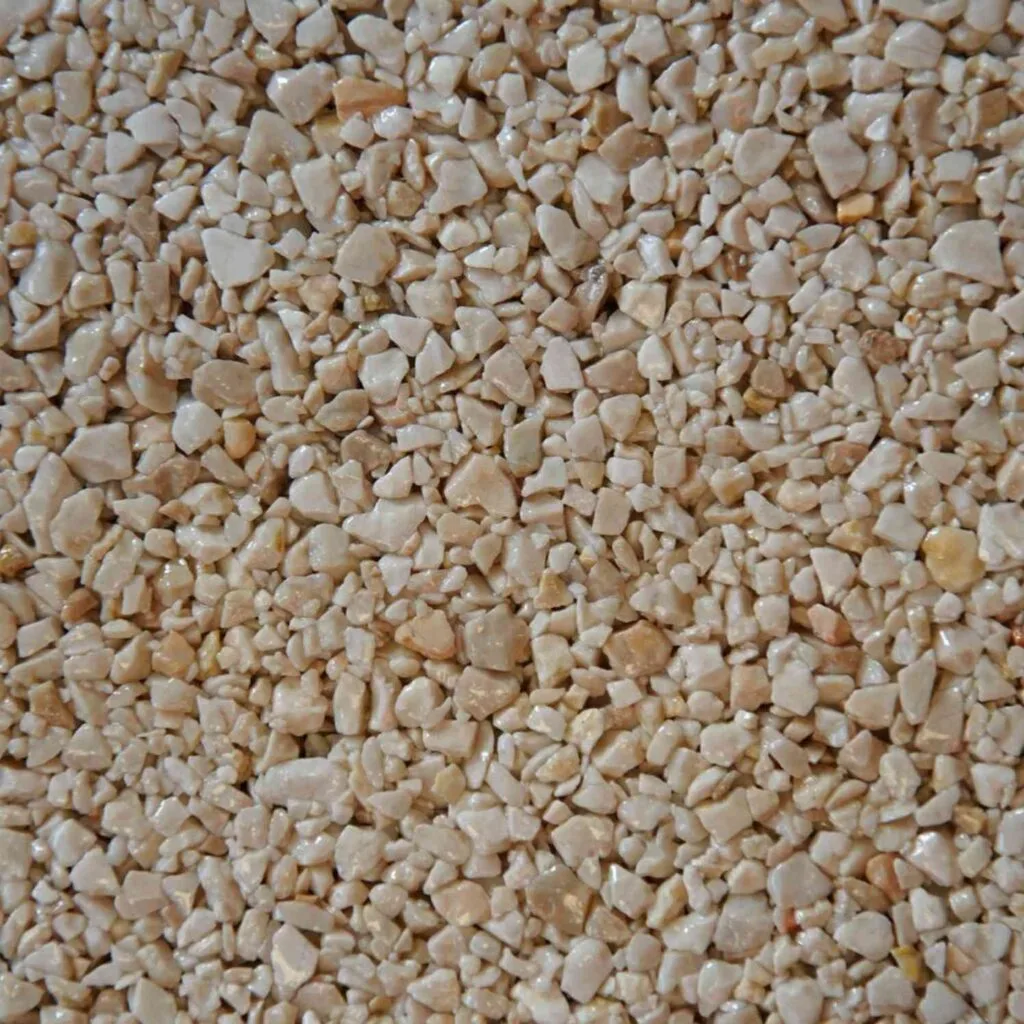



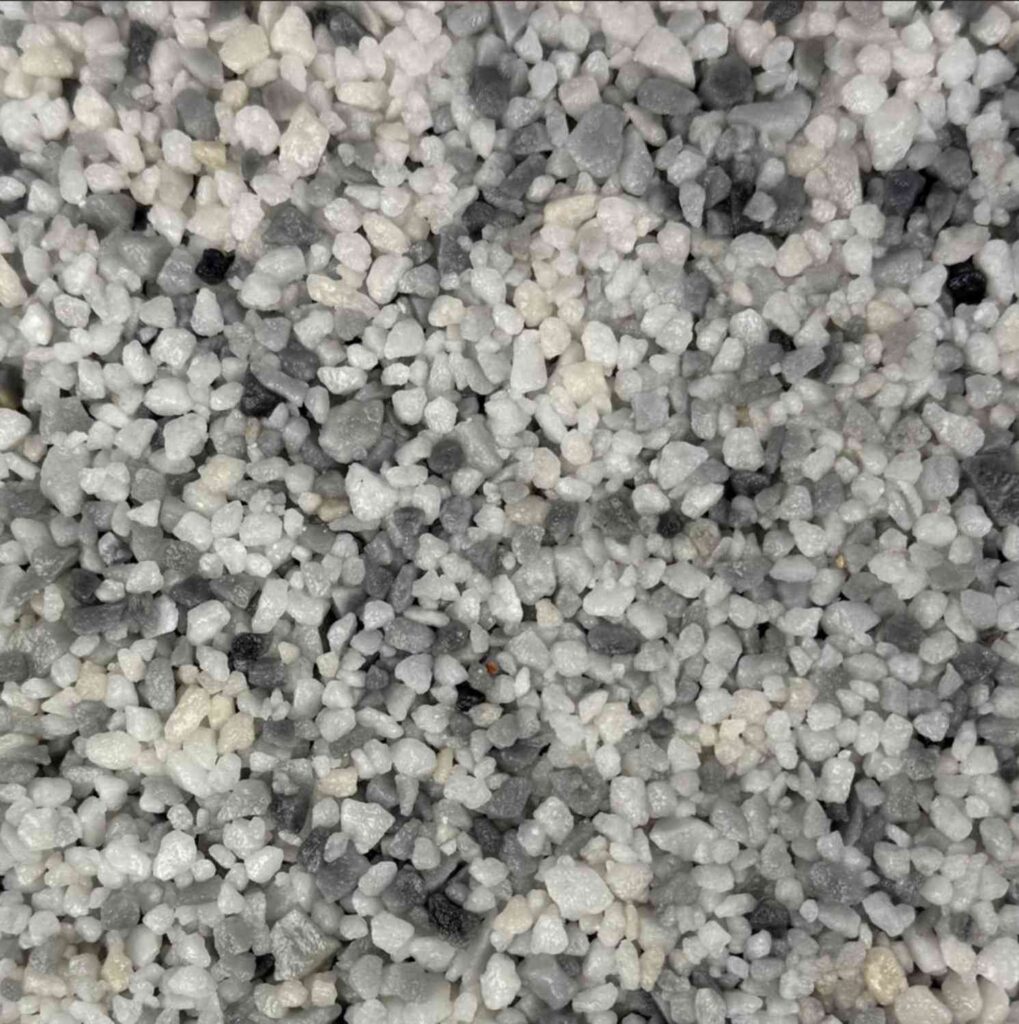
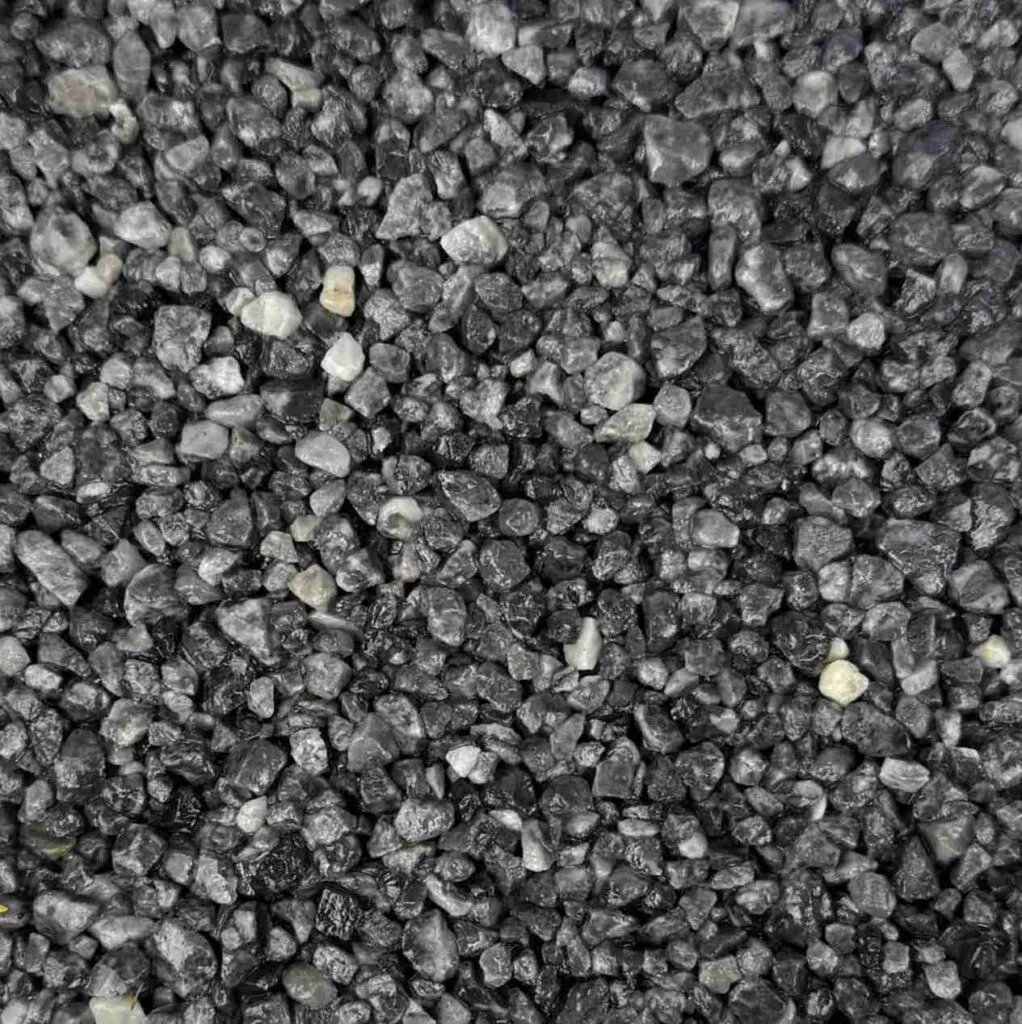
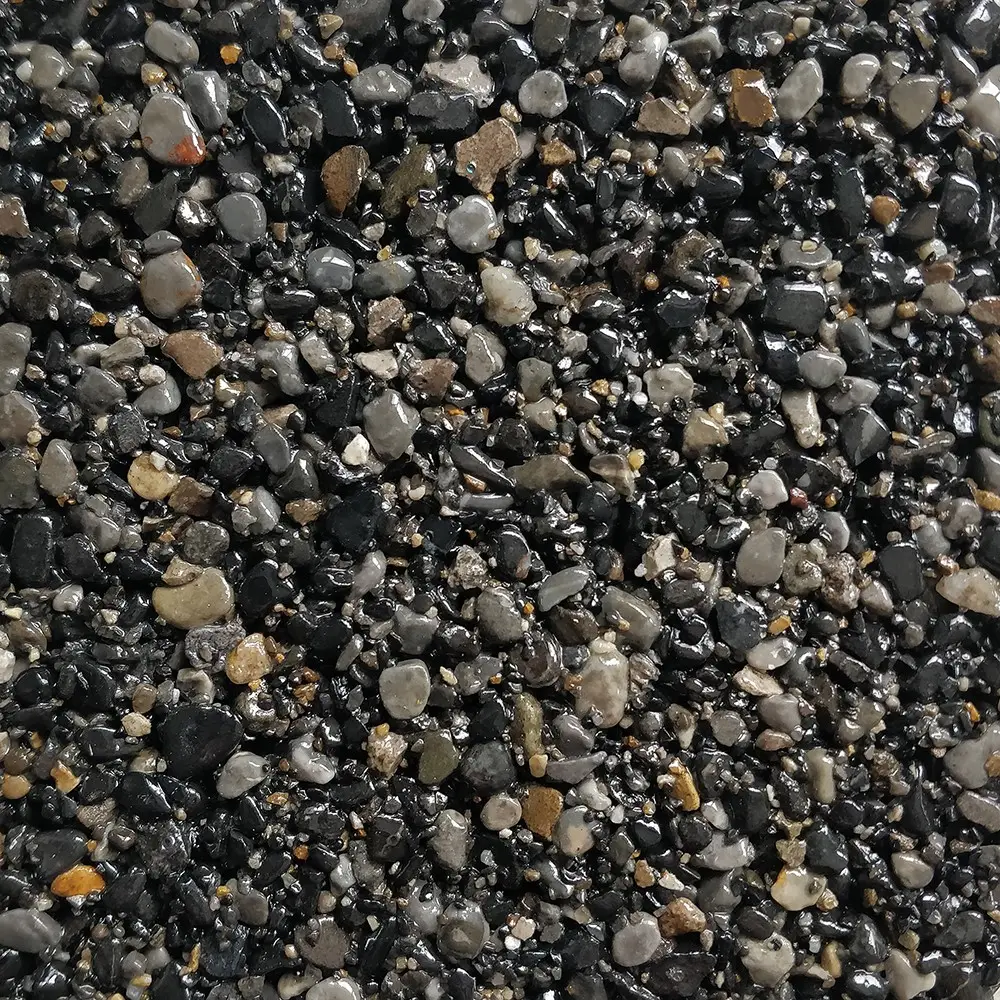





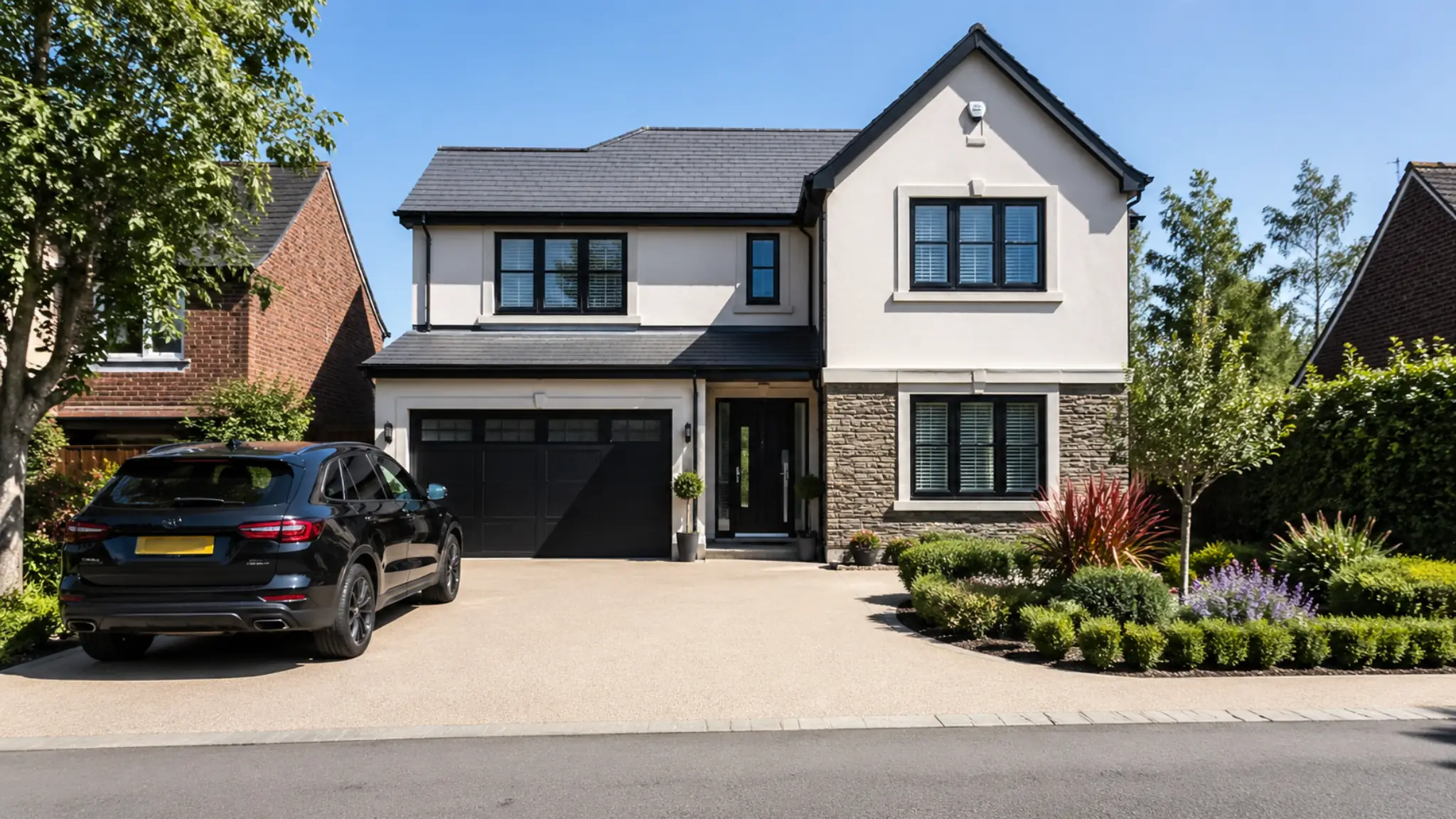
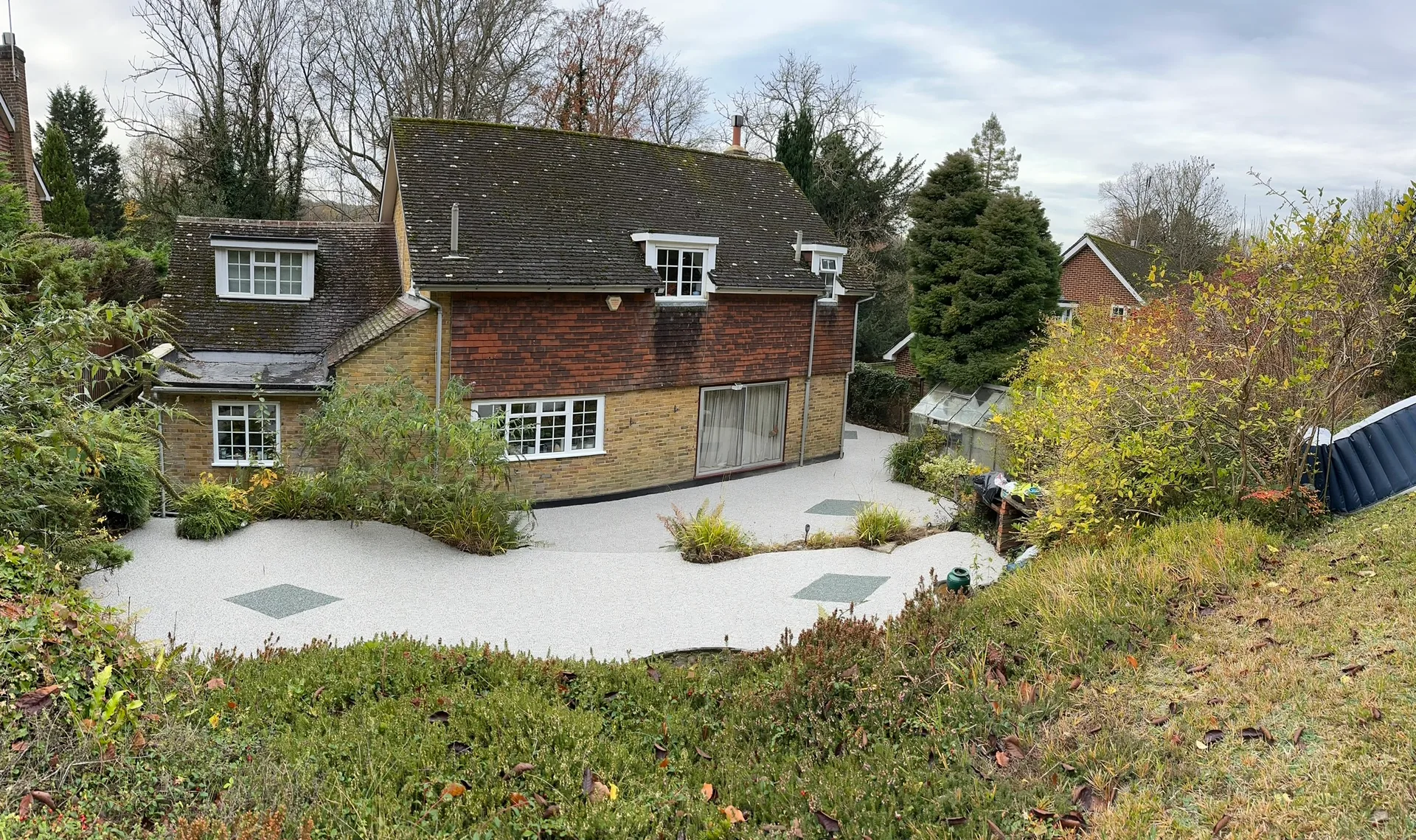
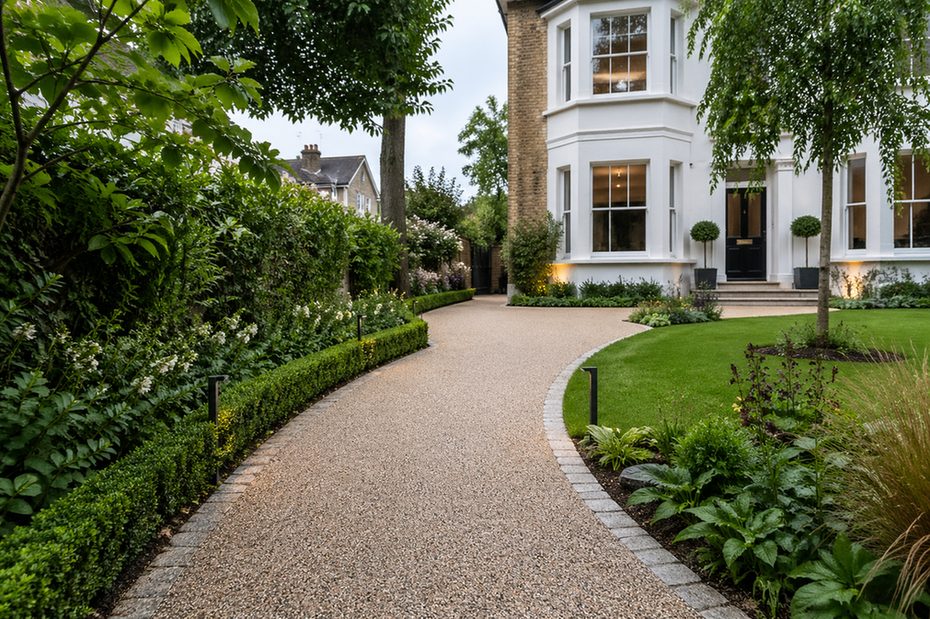

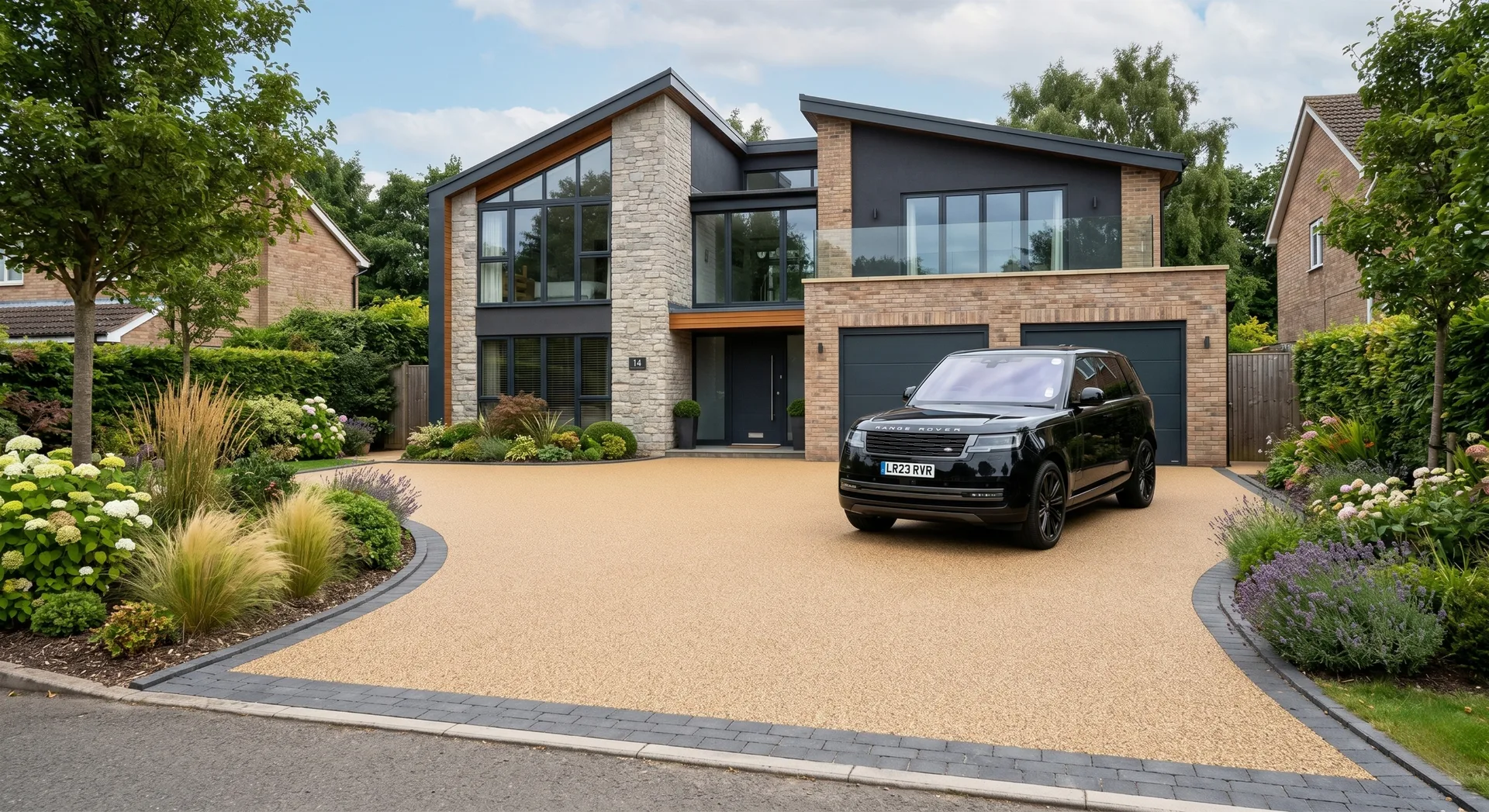
For most London homes, a resin bound driveway does not need planning permission. The rule since October 2008: surfacing more than 5m2 of front garden requires permission only if the surface is impermeable and drains to the road. Resin bound is permeable — water passes through it into the ground — so a properly built resin drive sits within permitted development. The exceptions — listed buildings, some conservation streets, dropped kerbs and overlays on old concrete — are where people get caught, and they are all checkable in advance.
Here is how the rules actually work, without the folklore.
The rule that changed everything in 2008
London’s paved-over front gardens were sending so much rainwater into the road network that the rules were rewritten. The result is the framework still in force: up to 5m2 of front garden can be surfaced in anything. Beyond 5m2, you need one of three things to stay within permitted development:
- A permeable surface that water drains through, or
- An impermeable surface that directs water to a permeable area within your own boundary — a lawn, border or soakaway, or
- Planning permission.
Resin bound surfacing was practically designed for route one. Stone and resin are mixed leaving tiny voids throughout, water passes through into an open grade sub-base and infiltrates the ground below. This is the SuDS friendly system shown in the cross-section on our resin bound driveways page.
Standard tarmac, poured concrete and tightly jointed block paving are route two or route three materials. This is a genuine, boring, regulatory advantage of resin, and it is one reason the comparison in our surface showdown tilts the way it does.
The exceptions that catch London homeowners
Listed buildings. Listed building consent is its own regime and covers far more than most owners expect, including surfaces within the curtilage. If your property is listed, nothing in this guide overrides that. Speak to the borough conservation team first.
Conservation areas and Article 4 directions. A conservation area alone does not usually stop a permeable front drive, but many London boroughs apply Article 4 directions to specific streets, which strip away permitted development rights and pull otherwise-exempt work back into needing permission. These are street-by-street, not borough-wide, so the only reliable answer is checking your address against the borough’s Article 4 register.
Removed permitted development rights. Some newer developments and converted properties have PD rights removed by condition on the original consent. Rare, but it exists, and it surfaces in your property’s planning history.
Flats and maisonettes. Permitted development rights for this kind of work attach to houses. Flats generally need permission for external works, and shared frontages add freeholder consent into the mix.
The dropped kerb is a separate question entirely
The surface rules above say nothing about getting your car onto the drive. If there is no existing vehicle crossover, you need one, and that means an application to the borough highways team, an approved contractor doing the kerb and footway works, and on classified roads, planning permission as well. Budget realistic money and lead time for this; in some boroughs the crossover costs rival a small driveway.
If your property already has a dropped kerb, replacing the surface behind it raises none of this.
Overlays: the permeability small print
A point most installers skip. Resin bound laid over an existing concrete or tarmac slab is permeable at the surface but sits on an impermeable layer. Water passes through the resin, hits the slab, and follows the falls. That can be a perfectly good drainage outcome when the falls direct water to a lawn, border or channel drain within your boundary, which keeps you inside the rules. It is not the same as a full infiltration system, and a quote that waves the word permeable at an overlay without mentioning falls is glossing over it. Our overlay guide covers when overlays work; the drainage design is part of our survey on every overlay job.
What this means in practice
For the large majority of London houses replacing an existing front drive with resin bound: no planning permission, no application, no fee. The checks worth doing before any project — and which we do as part of our free site visit:
- Is the property listed, or on a street with an Article 4 direction?
- Is there an existing crossover, or does the highways process need to start now?
- Where does water go on your specific plot — full infiltration or falls to a permeable area?
- Anything unusual in the planning history removing PD rights?
Planning rules are applied by individual boroughs and can change; for anything borderline we will say so plainly and point you at the right borough team rather than guess on your behalf.
Get a definitive answer for your address
Book a free site visit and we will confirm the planning position, the drainage design and the crossover situation for your specific property, alongside a written, itemised quote within 48 hours. Eligible postcodes qualify for £500 towards installation under our local project credit. Call now for a quote.
Related guides: Can you lay resin over concrete? · Resin driveway cost in London · Resin bound driveways
.jpg)