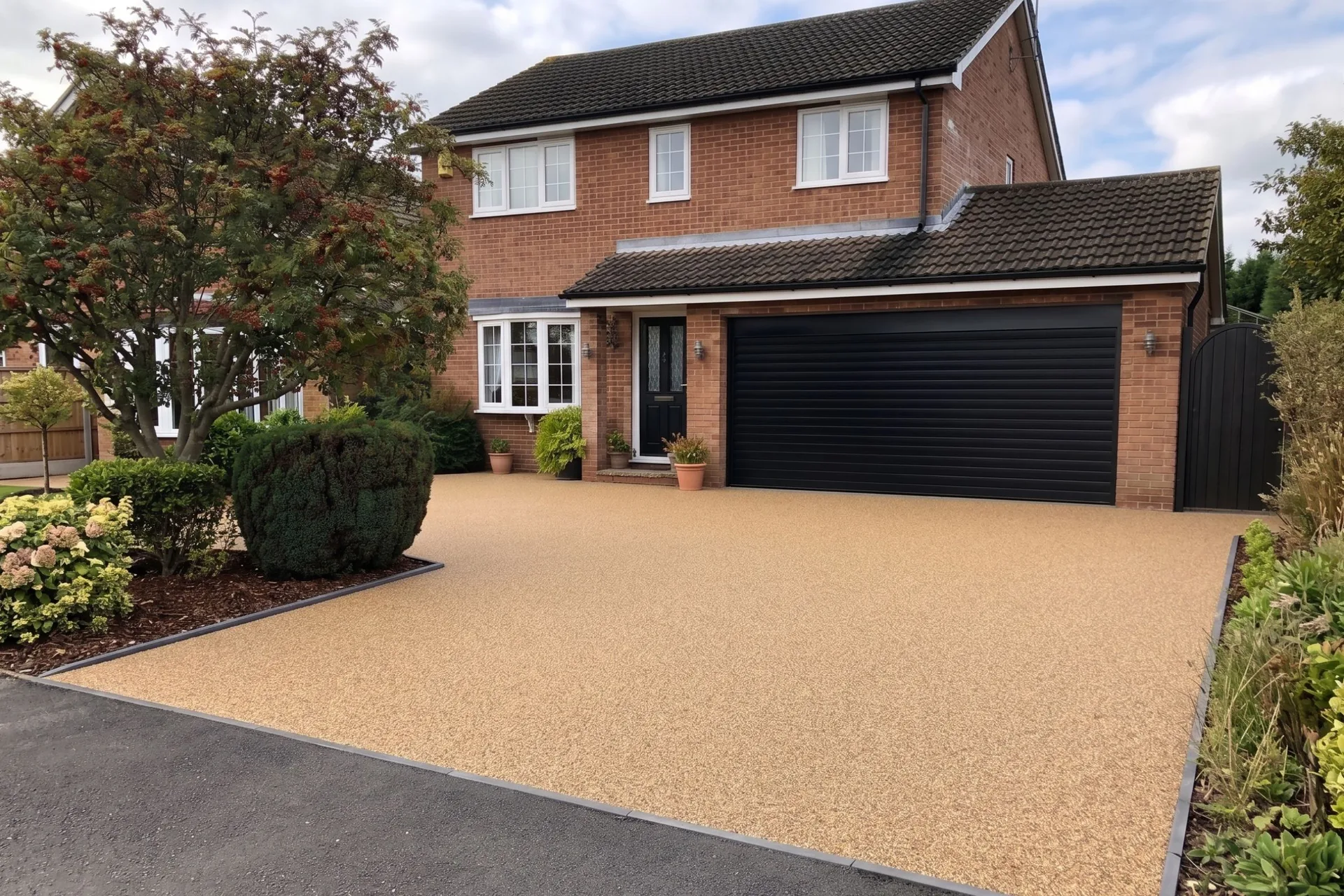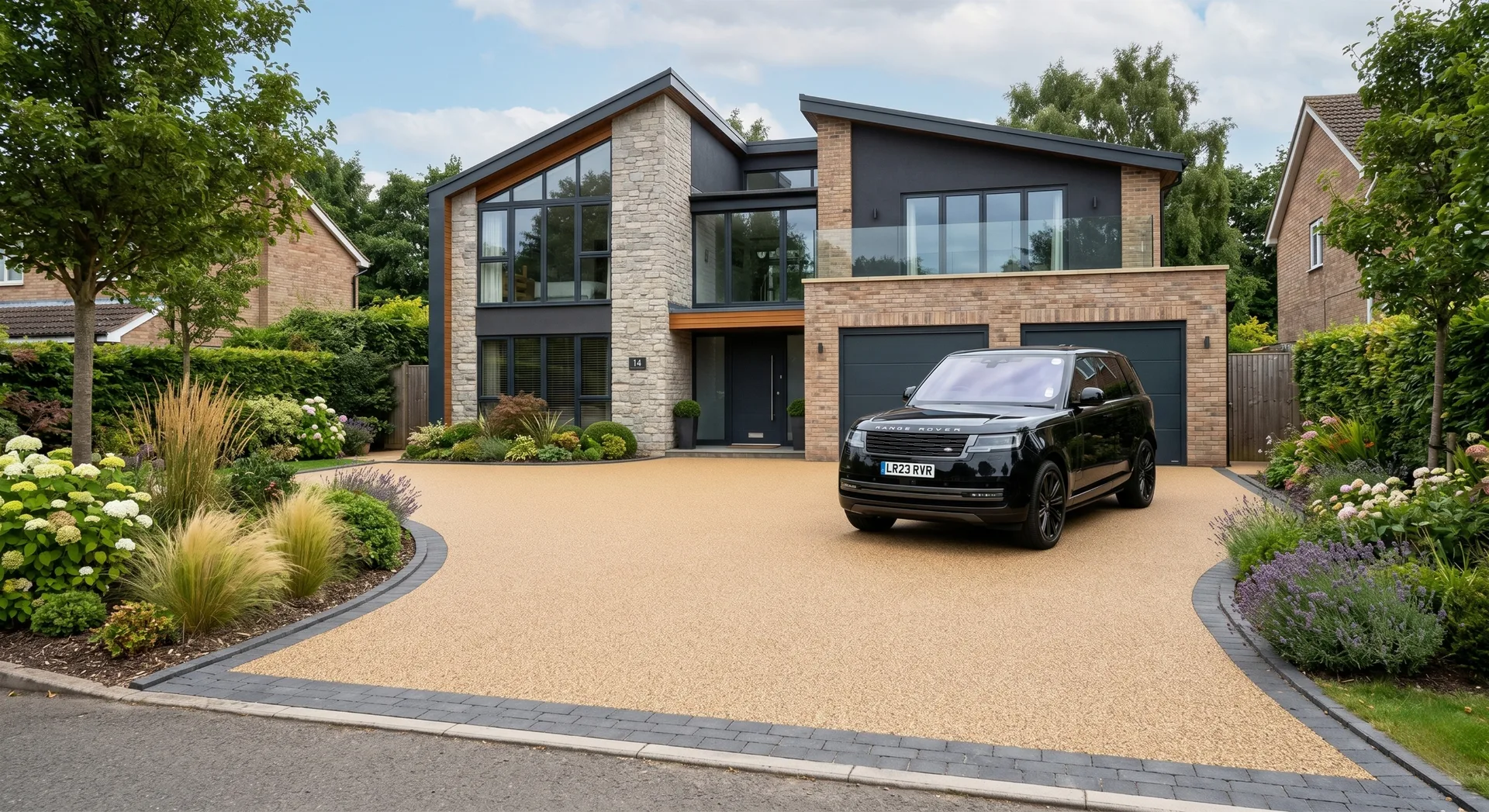
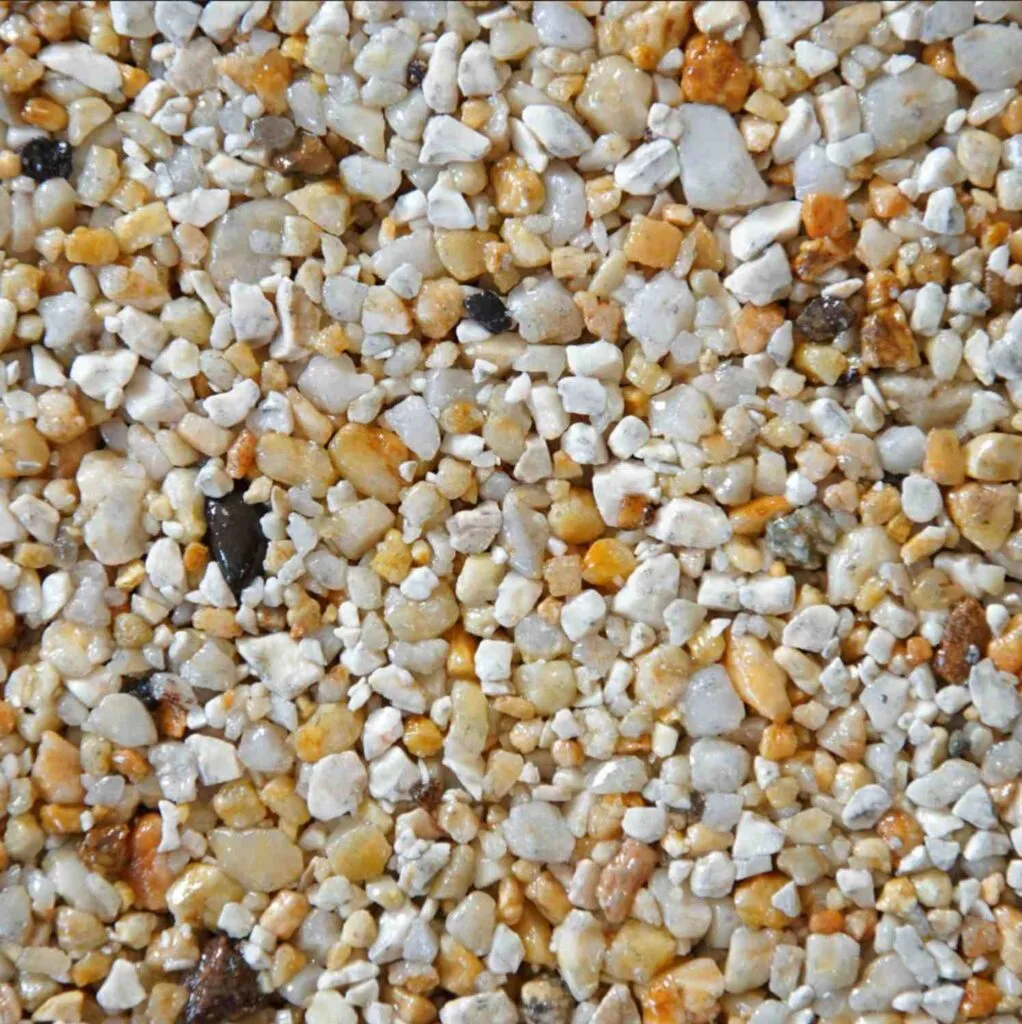

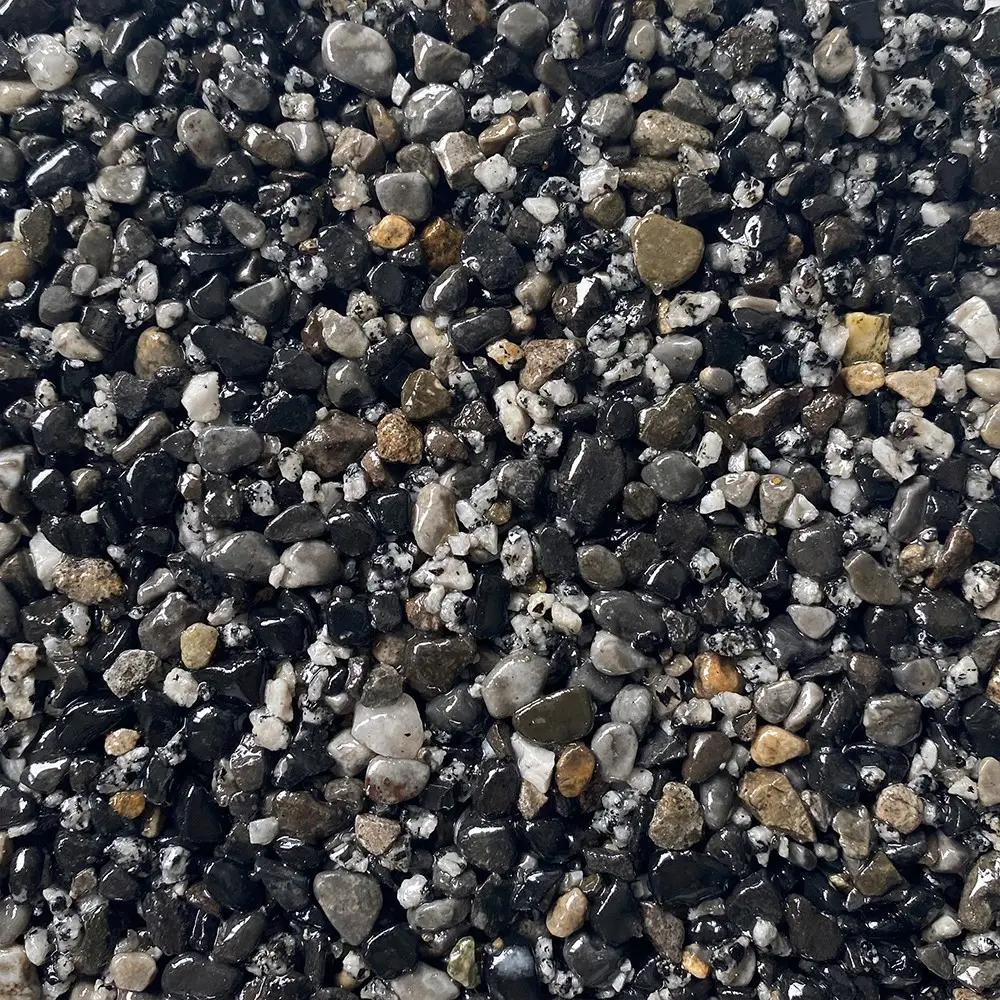
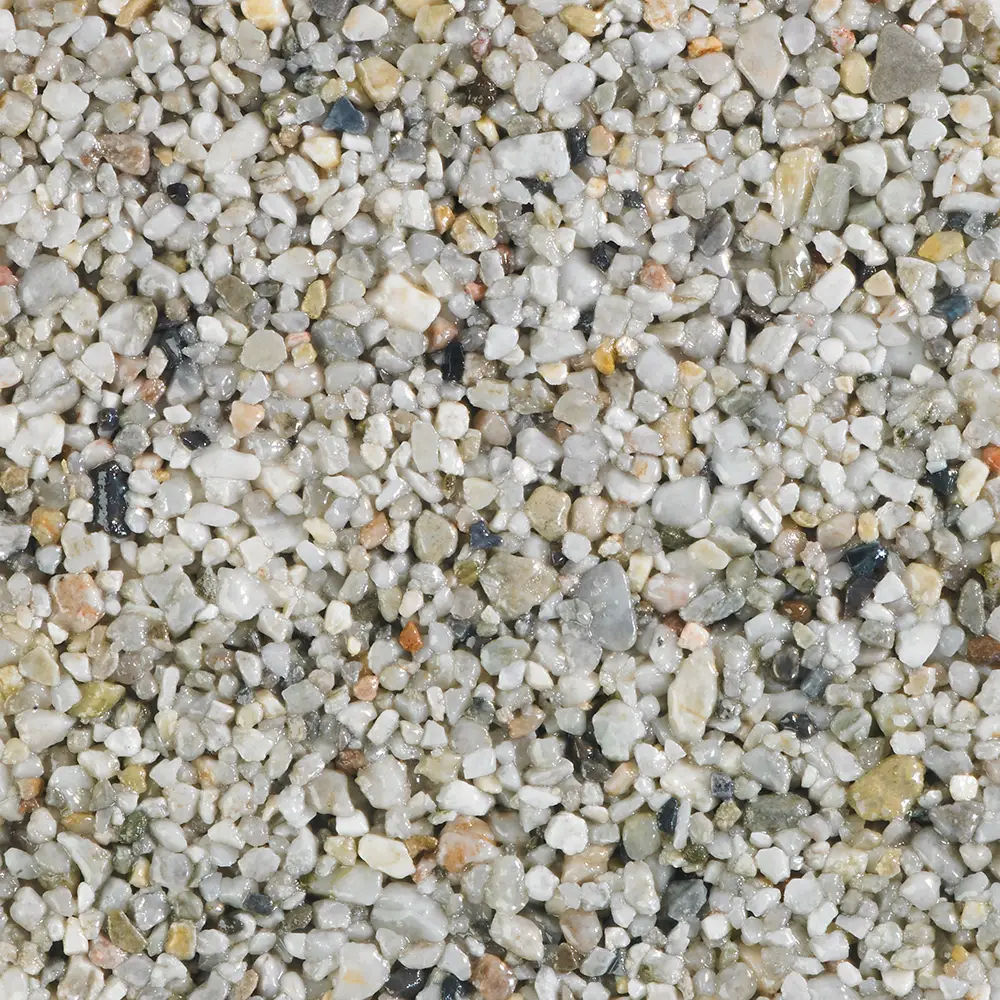

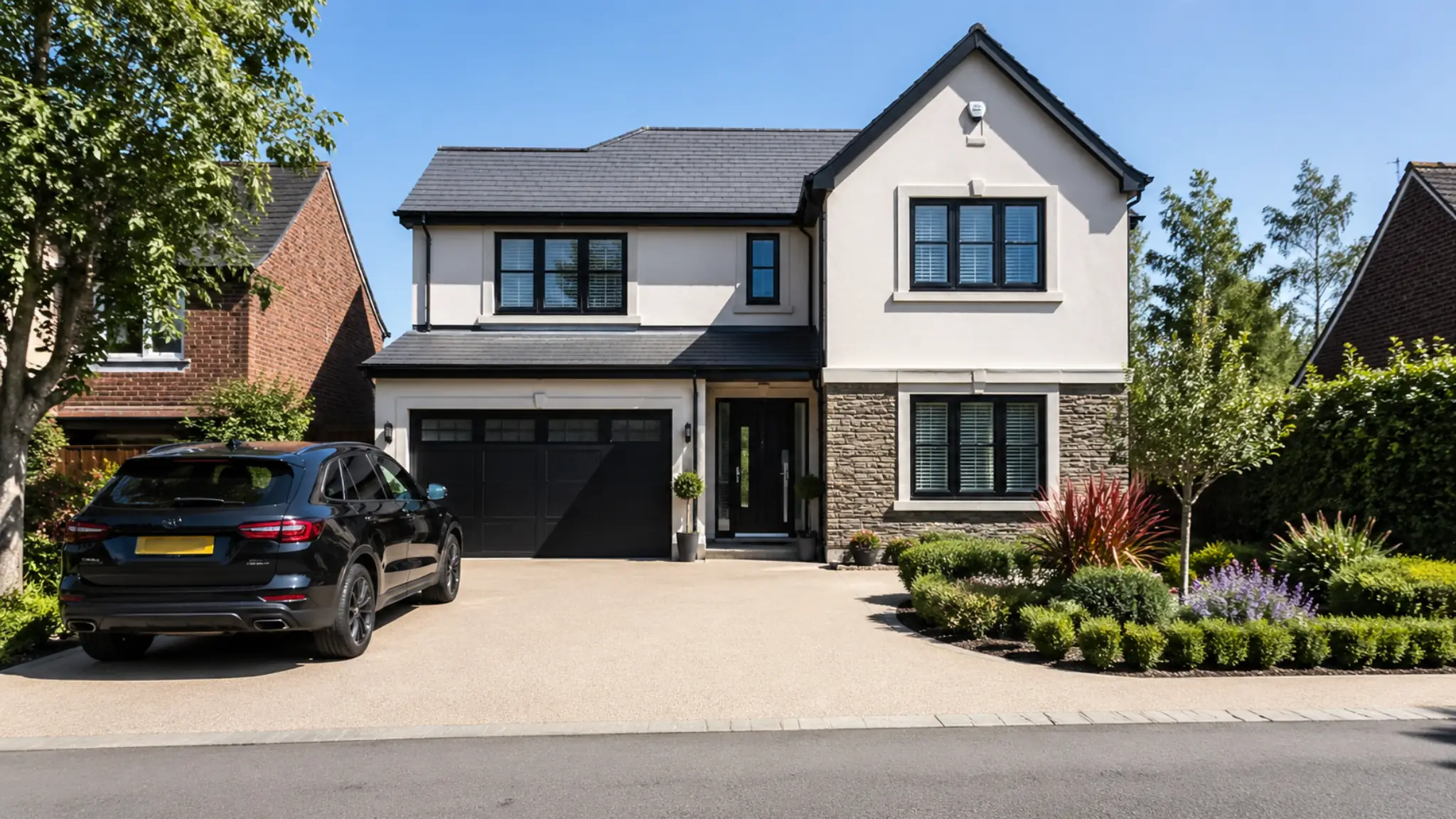
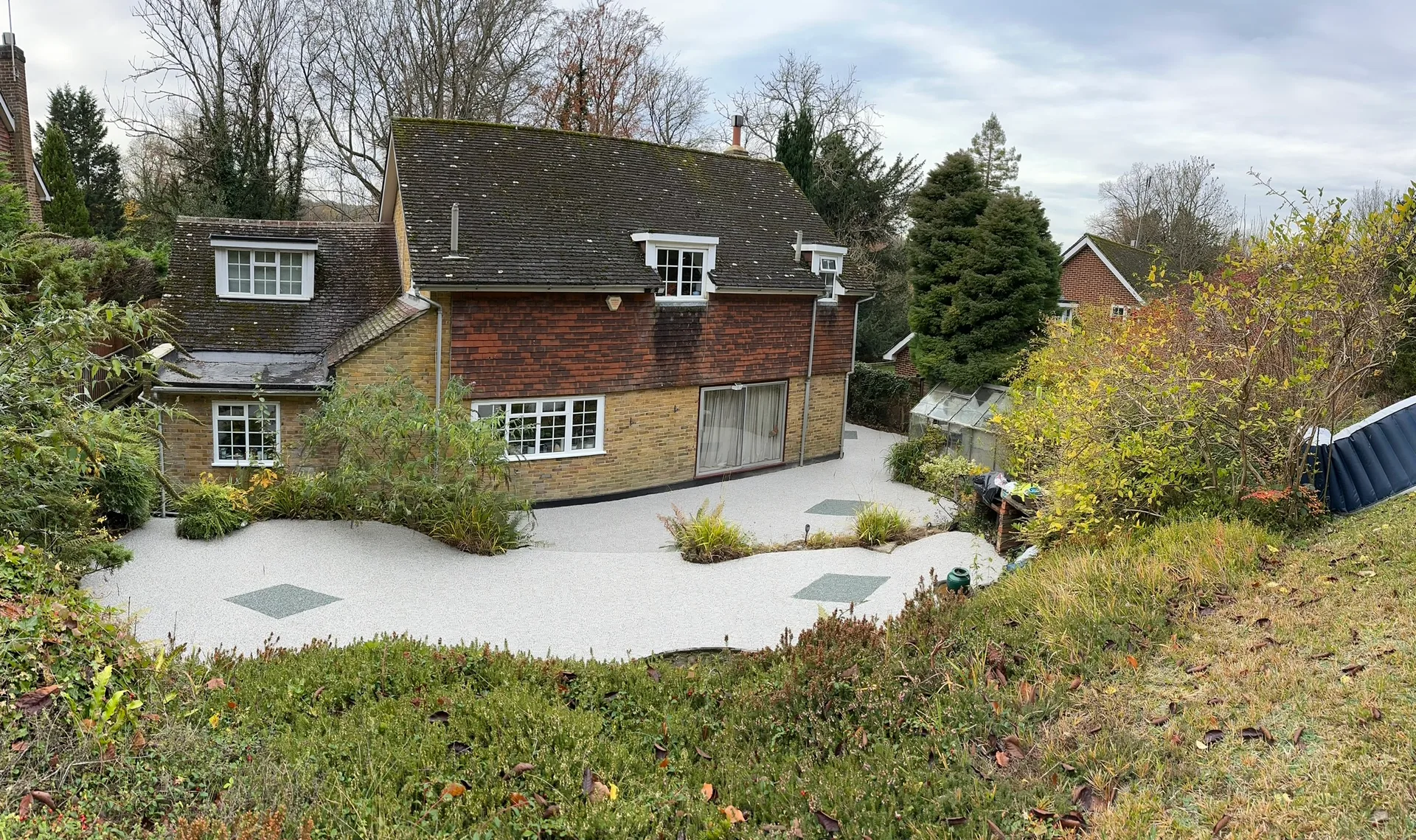
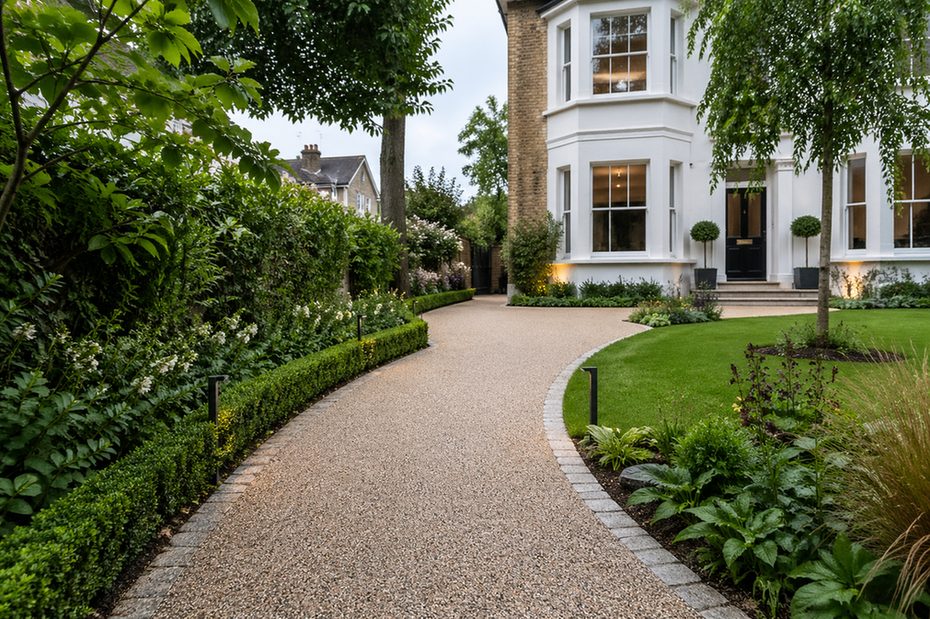
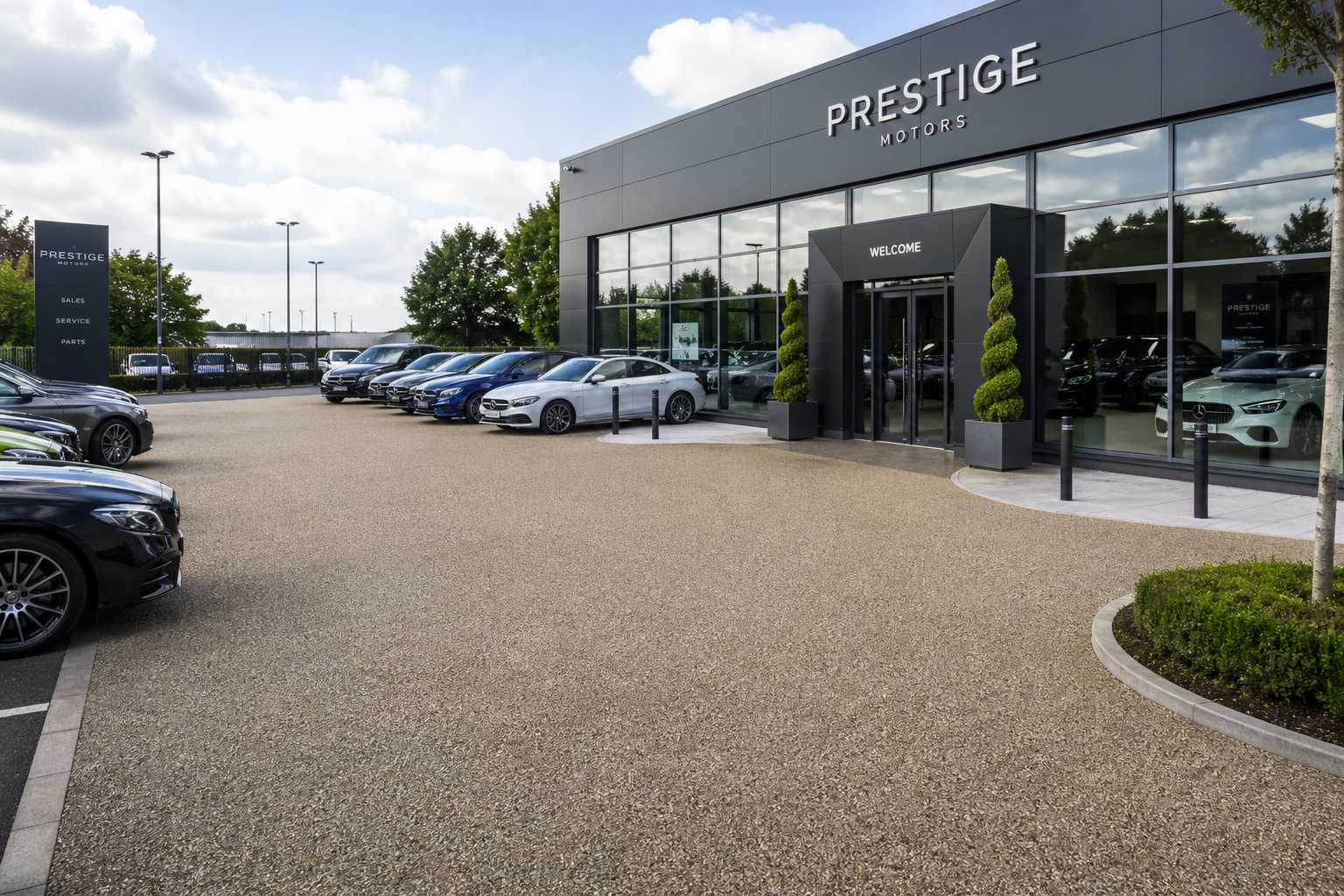
Resin bound and resin bonded differ by four letters and about fifteen years of lifespan. Resin bound mixes stone and resin together before laying, so every stone is coated and the finished surface is smooth, permeable and stable. Resin bonded spreads glue on the ground and scatters dry stone over it, so only the underside of each stone is held. One is a 15 to 25 year surface. The other starts shedding gravel within a few years.
The naming is genuinely unhelpful, and some of the cheapest quotes in the market rely on homeowners not knowing which system they are buying. So here is the difference, properly.
The two systems side by side
| Feature | Resin Bound | Resin Bonded |
|---|---|---|
| How it’s made | Stone and resin mixed together, then trowelled | Resin spread on base, loose stone scattered on top |
| Finish | Smooth, even, no loose stone | Rough, textured, like fixed gravel |
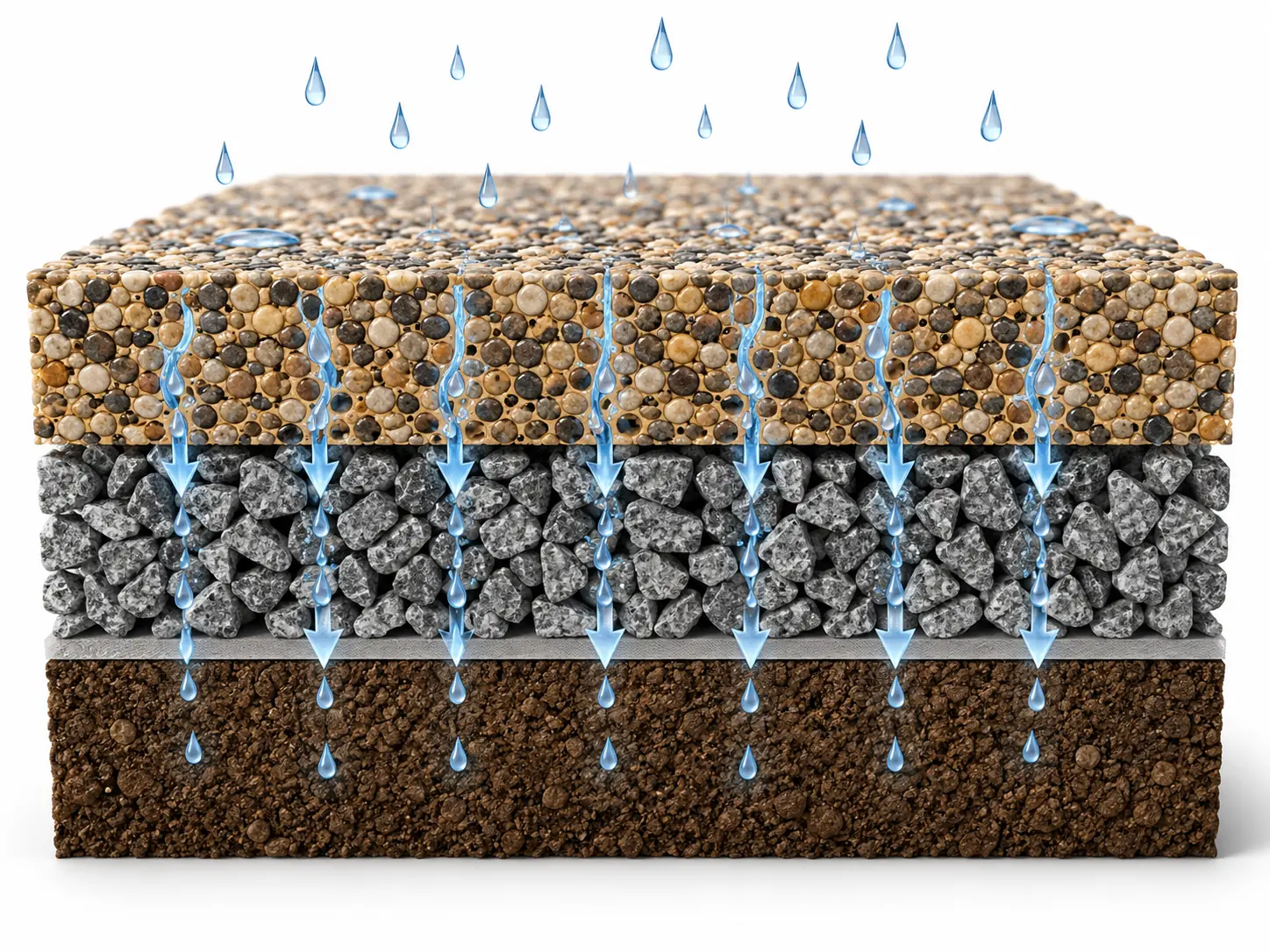
| Permeable | Yes, water drains through | No, water runs off |
| Planning permission (front garden) | Generally not required | Can be required over 5m2 |
| Stone loss | None when properly installed | Progressive, by design limitation |
| Typical lifespan | 15 to 25 years | 5 to 10 years before remedials |
| Thickness | 15 to 18mm | 3 to 6mm |
| Price | Higher | Lower |
Why bonded sheds stone and bound does not
In a bound system the stone is suspended in resin the way fruit sits in a cake. Pull on any one stone and the whole matrix resists. In a bonded system each stone is glued by its contact patch only. Tyres turning on the same spot, frost cycles, and ordinary wear gradually pluck stones out. The bare glue patches that remain are the tell-tale sign of an ageing bonded surface, and there is no neat fix short of recoating.
This is not bonded installers doing a bad job. It is the system working as designed. Bonded has legitimate uses, mainly where high grip texture matters more than longevity, on ramps and some highways applications. As a residential driveway investment it is the weaker product wearing the stronger product’s name.
The drainage difference matters more in London
Resin bound is permeable. Rain passes through the surface into the sub-base and ground below, which is why front garden installations generally avoid planning permission under the SuDS rules. Resin bonded is a sealed surface. Water runs off it like tarmac, which means on a front garden over 5m2 it can trigger the same planning requirements as concrete, and it does nothing for the puddling and runoff problems London clay gardens already have. Our planning permission guide covers the rules in detail.
How to tell which one you are being quoted
The quote should say “resin bound” explicitly, with a stated depth of 15 to 18mm. Warning signs that you are actually being offered bonded, or a hybrid corner-cut:
- The phrase “resin gravel”, “resin stone” or just “resin driveway” with no system named
- A stated depth under 12mm, or no depth stated at all
- A price dramatically below everyone else’s, see our cheap quote red flags
- Promises of a “textured, high grip finish” for a standard driveway, which is bonded’s selling line
Ask one question: “Is the stone mixed with the resin before laying, or scattered on top?” Any installer will answer instantly, and the answer tells you everything.
What we install
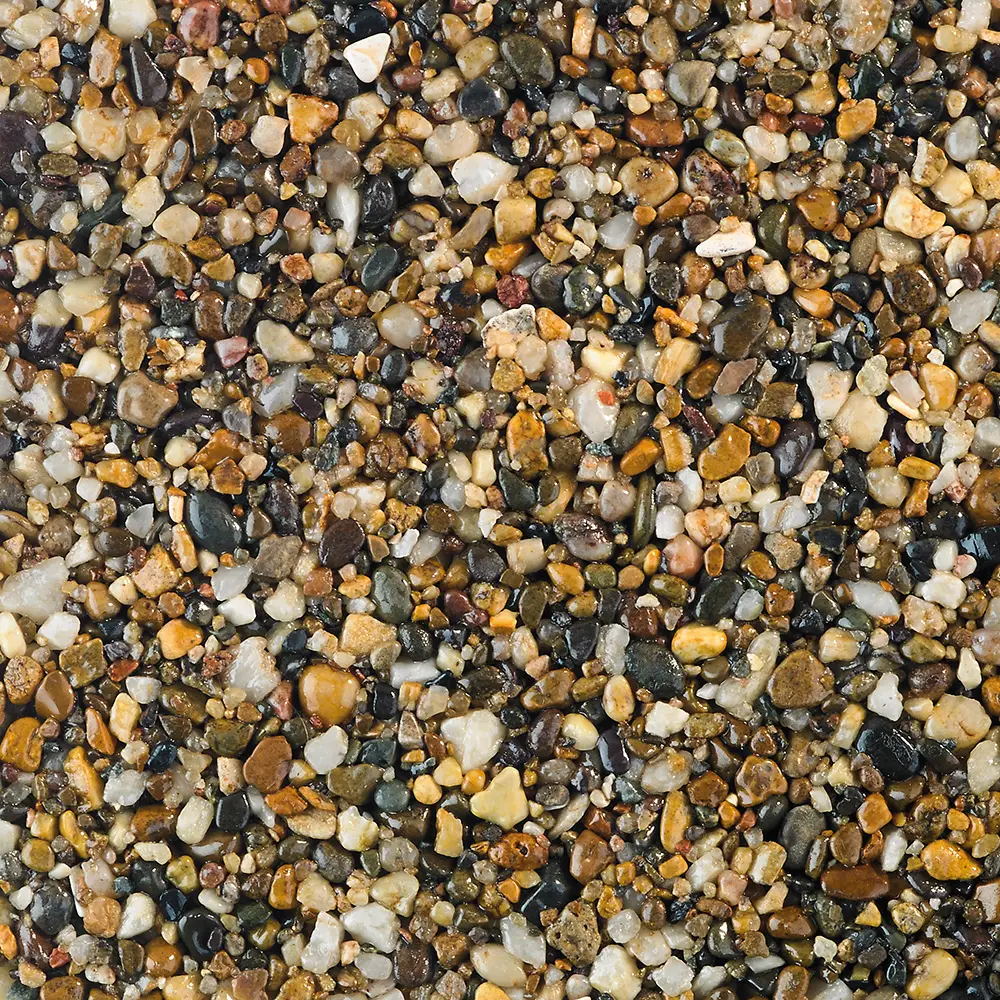
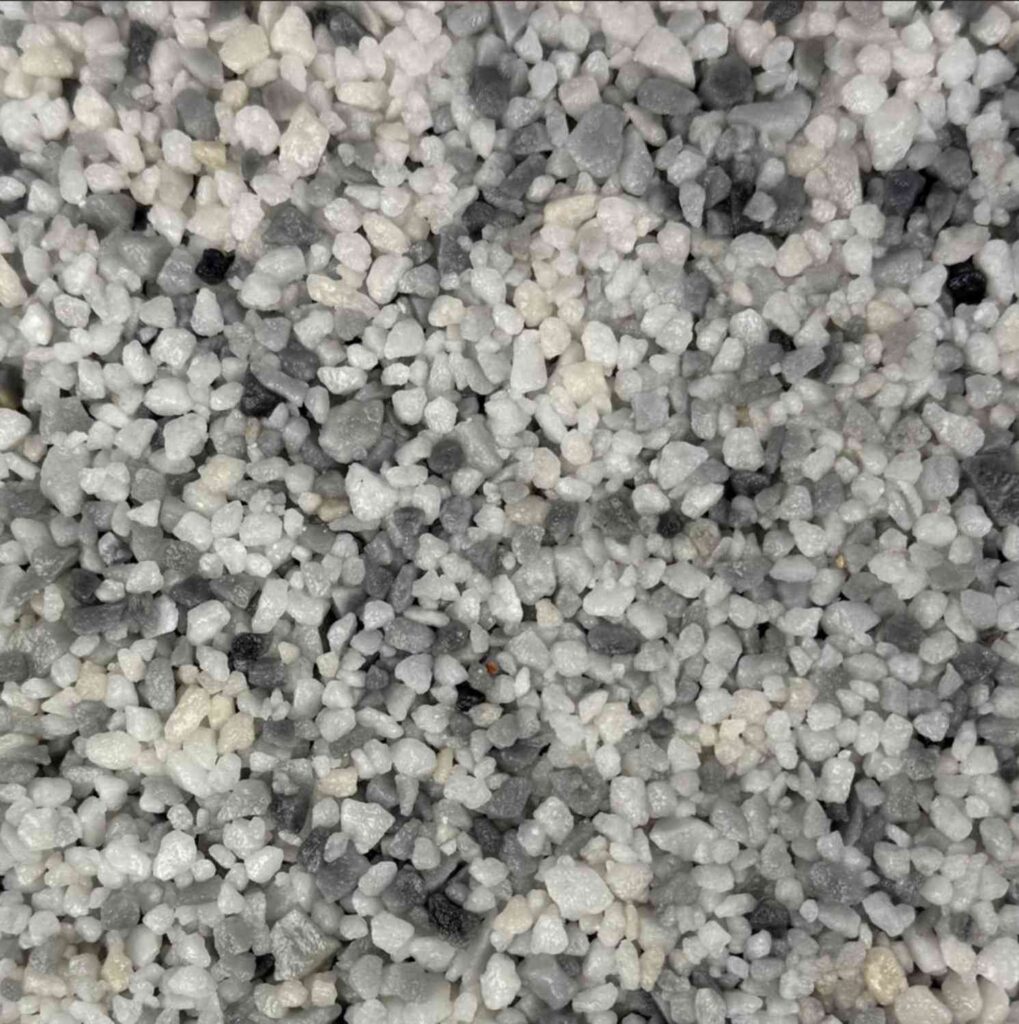
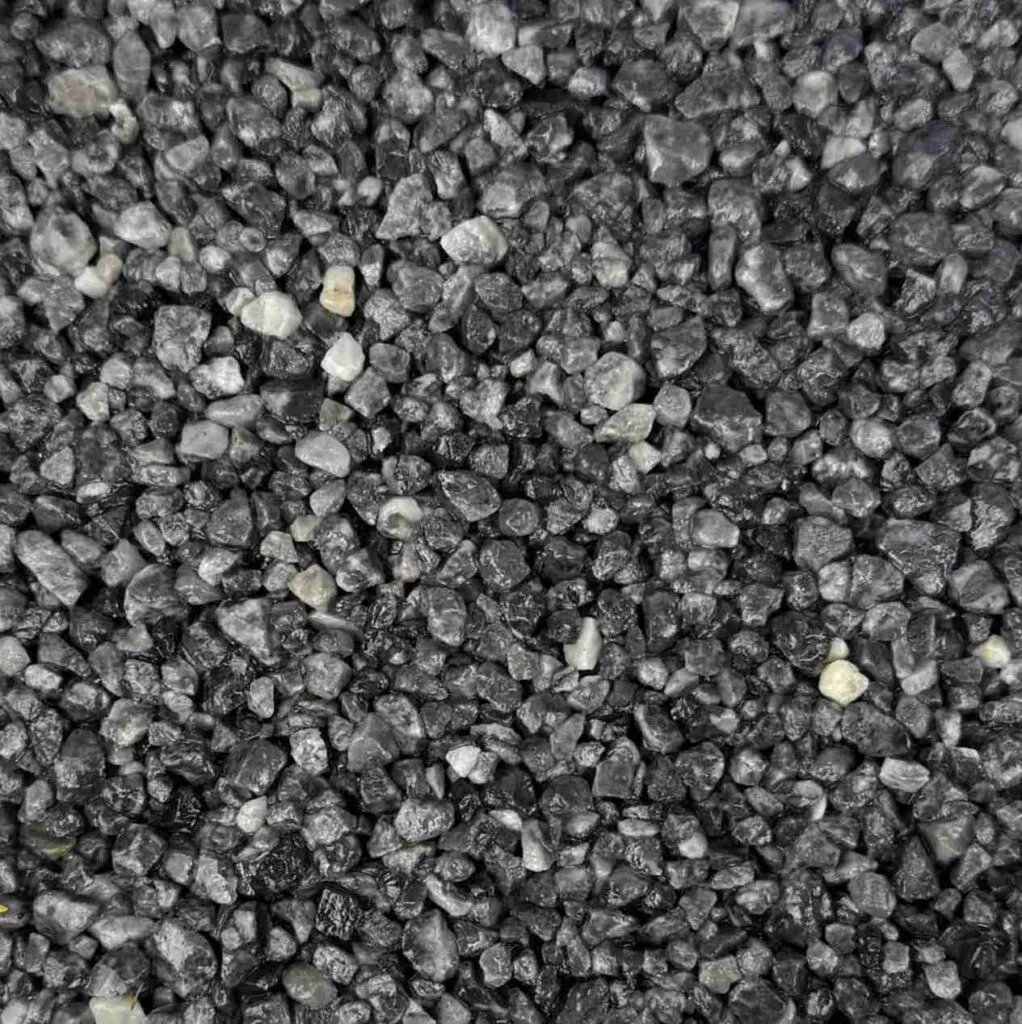
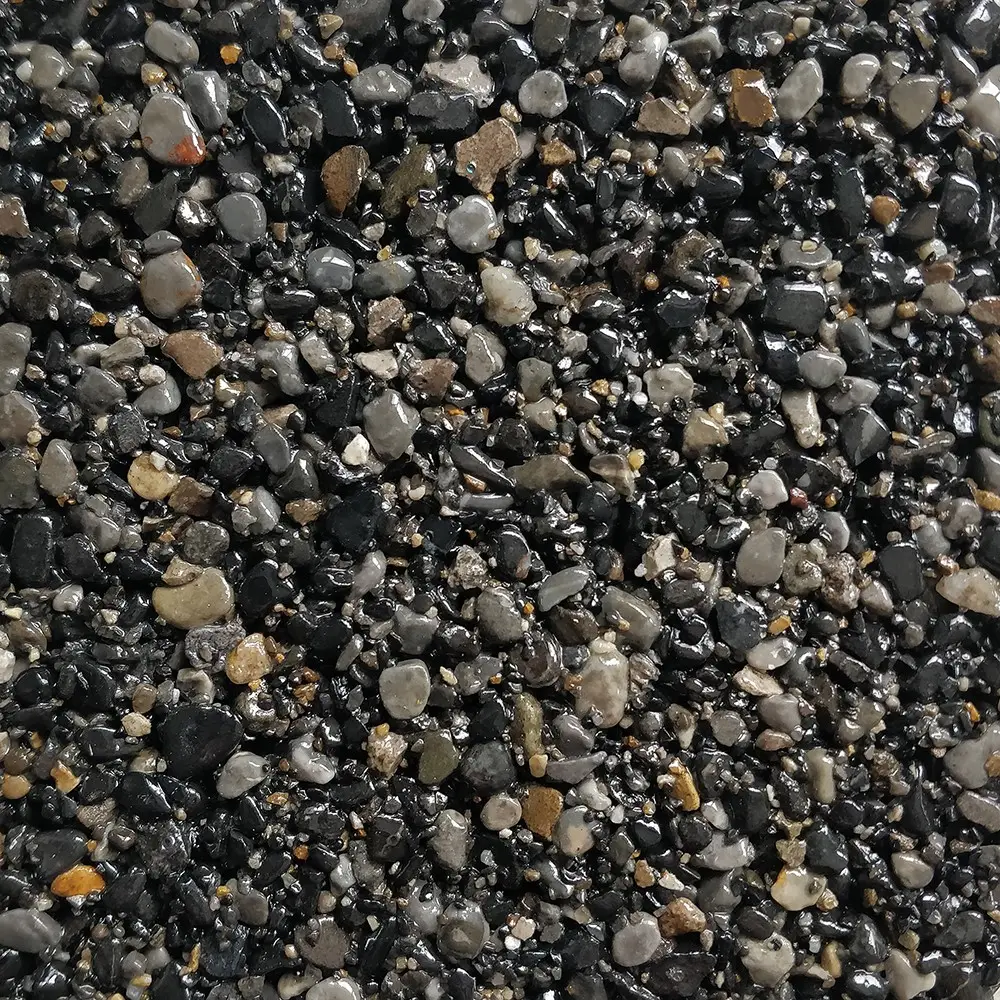
Daltex installs resin bound only, at full vehicle specification depth, using UV stable resin and kiln dried aggregate from our range of 59 blends. We made that decision because we guarantee our work, and we have no interest in guaranteeing a system that sheds.
If you are comparing quotes and one of them is suspiciously cheap, send it to us over WhatsApp along with photos of your drive. We will tell you honestly what is being offered, even if you do not use us. Or book a free site visit and get a written, itemised quote within 48 hours. Call now for a quote.
Related guides: Resin driveway cost in London · Why resin driveways fail · Resin bound driveways